At first glance, moving from a historic, multi-story home in Montclair, New Jersey, to a high-rise apartment in New York City feels like a complete lifestyle overhaul. You swap a sprawling yard for a bird’s-eye view, tree-lined suburban streets for bustling concrete avenues, and a detached garage for a subway pass.
Yet, beneath the surface of these two seemingly opposite living environments lies a surprising structural connection. Despite the drastic shift in density and architecture, the mechanical realities of managing a historic home along the Watchung Mountains prepare you perfectly for the hidden infrastructure quirks of a classic New York City apartment.
From managing vertical gravitational pressure to diagnosing old-school pipe corrosion, the hard-earned lessons of a Montclair homeowner apply directly to navigating the plumbing dynamics of NYC apartment living. Recognizing these common threads is an invaluable asset for anyone keeping an eye on regional downtown water conditions.
1. The Physics of Vertical Elevation and Pressure
The most direct engineering parallel between Montclair and New York City is how both environments are forced to battle gravity to deliver consistent water flow.
The Suburban Reality
Montclair is famous for its steep natural topography. Houses sitting at the base of the mountain contend with incredibly high incoming municipal water pressure, while homes perched on the upper ridgelines often suffer from weak flow. Montclair homeowners quickly learn the vital role of Pressure Regulating Valves (PRVs)—mechanical devices installed on the main water line to step down excessive street pressure to a safe level, protecting internal appliances from bursting.
The Urban Application
When you move into a New York City apartment building, the natural hillside is replaced by artificial verticality. Street-level municipal water pressure can typically only push water up to the fifth or sixth floor on its own. For taller luxury towers or pre-war high-rises, the building must use powerful basement booster pumps to push water up to massive rooftop gravity tanks or intermediary pressure zones.
If you live on a lower floor of a Manhattan high-rise, you are essentially living at the “bottom of the Montclair hill.” The sheer weight of the column of water standing in the pipes above your unit creates immense hydrostatic pressure. Just like a suburban basement, your apartment relies on internal PRVs hidden behind the drywall to keep that pressure from ruining your faucets. Conversely, if you live in a penthouse just below a roof tank, you will experience the classic “Upper Montclair” dilemma: low natural pressure that requires a dedicated in-line booster system to get a decent shower stream. Keeping an eye on localized infrastructure alerts helps residents on both sides of the river stay ahead of sudden municipal pressure changes.
2. Diagnosing Pre-War Pipe Behavior and Scale Buildup
Both Montclair and New York City boast an incredible inventory of historic, pre-war architecture. While century-old plaster walls and original hardwood floors offer unmatched charm, they both hide the exact same aging metallic infrastructure.
The Suburban Reality
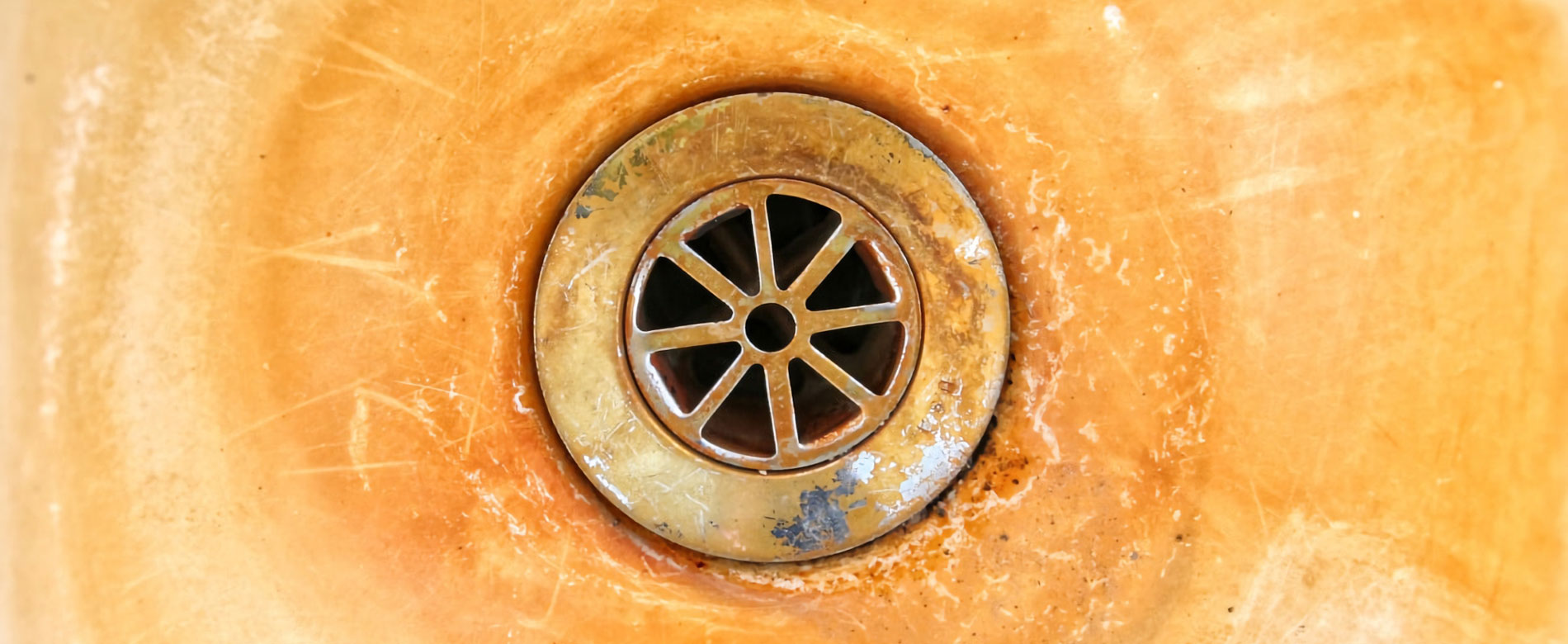
A classic Montclair colonial built in the 1920s or 1930s was originally plumbed using galvanized iron or unlined cast-iron pipes. Over many decades, these metals undergo continuous chemical oxidation. Rust and mineral scale build up along the inside walls of the pipe, slowly choking off the water’s pathway like a clogged artery. Montclair homeowners know that when they turn on a faucet after a weekend away, a brief flash of red or orange water is a primary indicator of internal pipe corrosion.
The Urban Application
When you move into a classic pre-war apartment building in Manhattan or Brooklyn, the vertical “waste and supply stacks” running through your bathroom walls are often of the exact same vintage. Mineral scale and interior rust accumulate in these shared vertical lines over decades.
Learning to recognize the early warning signs of pipe constriction—such as a localized drop in water pressure when a neighbor upstairs flushes a toilet, or a faint metallic taste in the morning—is a skill directly transferred from suburban homeownership. For a deeper look at how historic metal networks hold up under modern, high-density demands, property owners and tenants often review specialized resources detailing building plumbing lifecycles.
3. The Cascading Threat of Shared Walls and Gravity
In a detached suburban home, a plumbing failure is an isolated financial headache. If a pipe leaks in a Montclair attic, the water travels downward, damaging the ceilings and floors of that specific house. The homeowner owns the entire problem.
In New York City apartment living, gravity operates exactly the same way, but the structural boundaries disappear. High-rise apartments are stacked directly on top of one another in shared vertical columns. A pinhole leak in a bathroom supply line on the 14th floor doesn’t stay on the 14th floor; it migrates straight down through the electrical conduits and drywall of floors 13, 12, and 11.
Montclair homeowners who are accustomed to routinely checking utility closets, water heaters, and basement main lines for slow drips bring a critical preservation mindset to apartment living. They understand that a slow drain or an unexplained patch of ambient humidity behind a kitchen wall isn’t just a minor inconvenience—it is an early warning sign of a systemic issue that could easily spark a building-wide multi-unit insurance dispute.
Bridging the Gap Between Suburb and City
| Suburban Lesson (Montclair) | Urban Application (NYC Apartment) |
| Managing high/low pressure across natural mountain ridges | Navigating pressure zones based on your apartment’s floor height |
| Maintaining residential PRVs to protect household appliances | Checking internal building valves to prevent high-rise pressure spikes |
| Flushing legacy galvanized iron lines to clear rust scale | Monitoring shared pre-war vertical utility stacks for slow flow |
| Spotting ceiling drips early to protect lower levels of the house | Preventing cascading vertical water damage to downstream neighbors |
Leveraging Local Insights for Clearer Water
Ultimately, the mechanical systems that keep our modern lives comfortable are bound by universal rules of engineering. Whether water is traveling horizontally across the New Jersey hillsides or vertically up a Manhattan skyline, it creates the exact same structural stresses, scale accumulation, and pressure fluctuations.
For former suburbanites looking to master the nuances of urban high-rise infrastructure, keeping tabs on historical data and shifting utility trends through comprehensive neighborhood reports can demystify how local water grids behave under seasonal strain.
Additionally, exploring an informative water quality blog provides building boards, tenants, and homeowners alike with the proactive technical insights required to maintain peak fixture performance. Transitioning to city life might mean leaving the lawnmower behind, but the practical home maintenance instincts you developed in the suburbs will keep your urban sanctuary running perfectly for years to come.