How West Orange hydrant flushing predicts similar NYC discoloration patterns
To the untrained eye, the water infrastructure...
Lower Manhattan has one of the most complex, dense, and constantly evolving water environments in the entire country. While the city provides broad reports, these summaries rarely capture what is happening at the street-level. DowntownWaterReport was created to fill that gap below Canal Street.
Get water updates specific to your exact neighborhood, not generic city reports. Understand what’s happening right on your street.
We turn complex water data into clear, easy-to-understand insights. No technical jargon, just real answers.
Track how construction, pressure changes, and maintenance affect your water. Stay aware of daily changes impacting your tap.
Know when it’s normal and when to take action. Get clear steps to handle water issues immediately.
Our mission is simple: to decode what’s happening beneath your feet, inside your building’s plumbing, and throughout the interconnected water mains that serve the Financial District, Tribeca, Battery Park City, and surrounding blocks. We monitor the factors that influence your daily tap experience—from routine DEP maintenance to unexpected water main disruptions.
We explain why conditions shift due to nearby construction, hydrant use, or old cast-iron mains—providing explanations that make sense to normal people, not engineers.
Instead of vague notices like “discoloration may occur,” we explain exactly what to expect, how long effects last, and what signs indicate serious building-level issues.
By focusing exclusively on this compact downtown zone, we give you context that citywide water reports simply can’t provide.
Our goal is to help residents and businesses make sense of what they see coming out of their faucets with reliable, straightforward information.
Lower Manhattan’s water behavior is shaped by a rare mix of aging infrastructure, dense development, and constant construction activity. These overlapping factors can cause noticeable changes in water appearance, pressure, or flow.
Old cast-iron pipes, redevelopment projects, and heavy daily demand all interact within one of the oldest municipal water grids in the United States.
Many water mains in Lower Manhattan date back decades or even a century, allowing sediment to accumulate over time.
Thousands of residential units, commercial spaces, and high-rise buildings draw from the same network of water mains.
Excavation, utility work, and infrastructure upgrades can temporarily shift flow, disturb sediment, and change water behavior.
Living in Lower Manhattan means your tap water experience can change for reasons that have nothing to do with contamination—and everything to do with infrastructure dynamics. DowntownWaterReport helps break down the most common signals, starting with four key indicators:
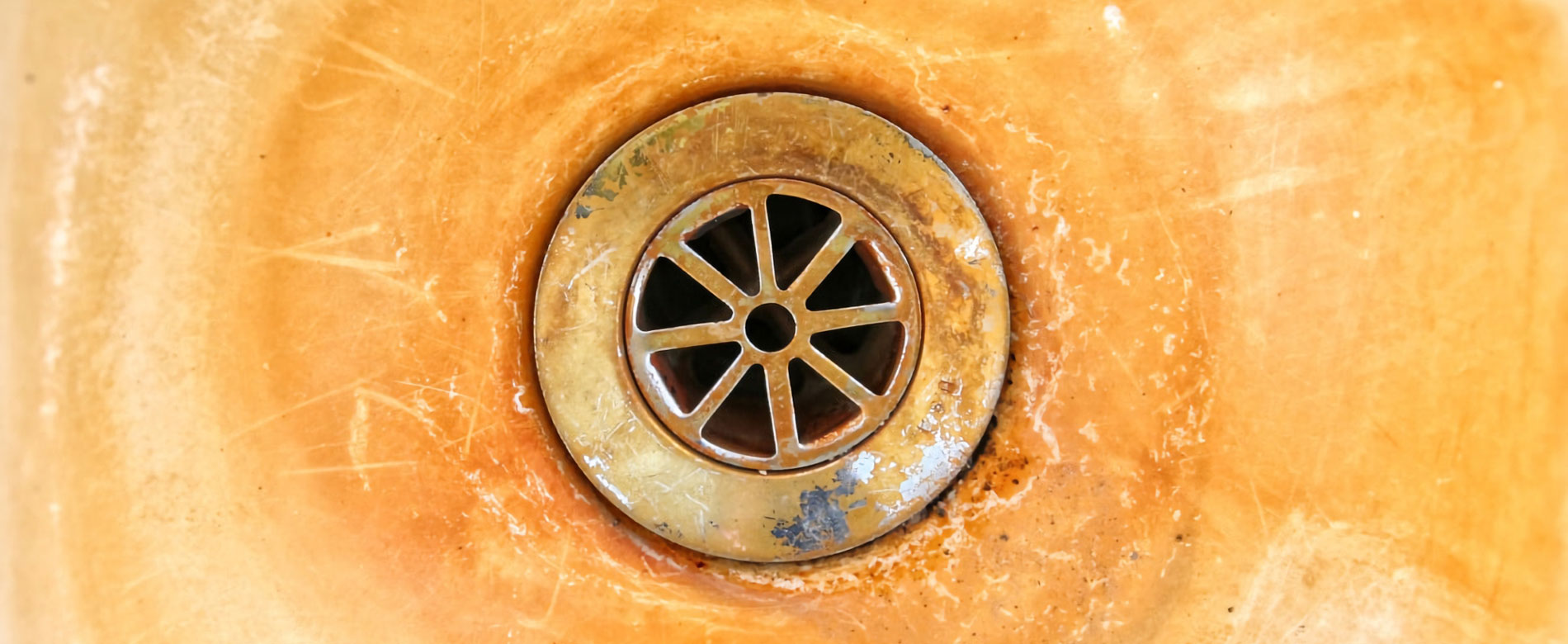
Often the first thing noticed. Cloudy or milky water is usually caused by trapped air and clears quickly. Brown, yellow, or rust colors indicate sediment movement—common during water main shifts or nearby disturbance.
Sudden drops may indicate nearby main adjustments, building pump cycling, or internal plumbing work. Conversely, unexpectedly strong pressure can point to valve issues or temporary flow increases from upstream supply shifts.
Common downtown due to internal plumbing or older galvanized pipes. A stronger chlorine taste often appears after water travels farther or stays stagnant, while sudden changes suggest shifts in flow direction.
Often originate inside the building. Musty scents can be linked to stagnant water in rarely used lines, while sulfur-like smells usually point to water heater issues. "Pool-like" odors can occur temporarily after hydrant use.
By learning to interpret these signals, residents gain clarity on whether a change is routine, temporary, or worth further investigation. We translate these observations into practical explanations to help you stay informed and confident.

If you live or work in Lower Manhattan, you’ve probably encountered brown, yellow, or rusty water at least once — often appearing suddenly and disappearing just as quickly. While it can look alarming, discoloration is extremely common downtown due to the neighborhood’s dense construction activity, frequent hydrant use, and constant water main maintenance. Understanding why this happens helps residents distinguish normal disturbances from issues that may require closer attention.
The primary cause is sediment movement inside older pipes. Much of Downtown Manhattan’s water infrastructure relies on cast-iron mains that have naturally accumulated iron, manganese, and other mineral sediments over decades. Under normal flow, these particles settle harmlessly at the bottom of the pipes. But when water flow suddenly increases or changes direction — as it does during construction work, hydrant activity, or main repairs — this sediment gets stirred up and carried into nearby buildings. The result is temporary discoloration that often clears once flow stabilizes. For buildings experiencing recurring changes in water appearance, municipal water testing in Manhattan can help evaluate potential concerns related to local water conditions and aging infrastructure.
Downtown sees constant excavation for new towers, road resurfacing, and utility relocations. Heavy vibrations and equipment movement can shift pipes enough to disturb settled particles, while valve adjustments during construction cause pressure shifts.
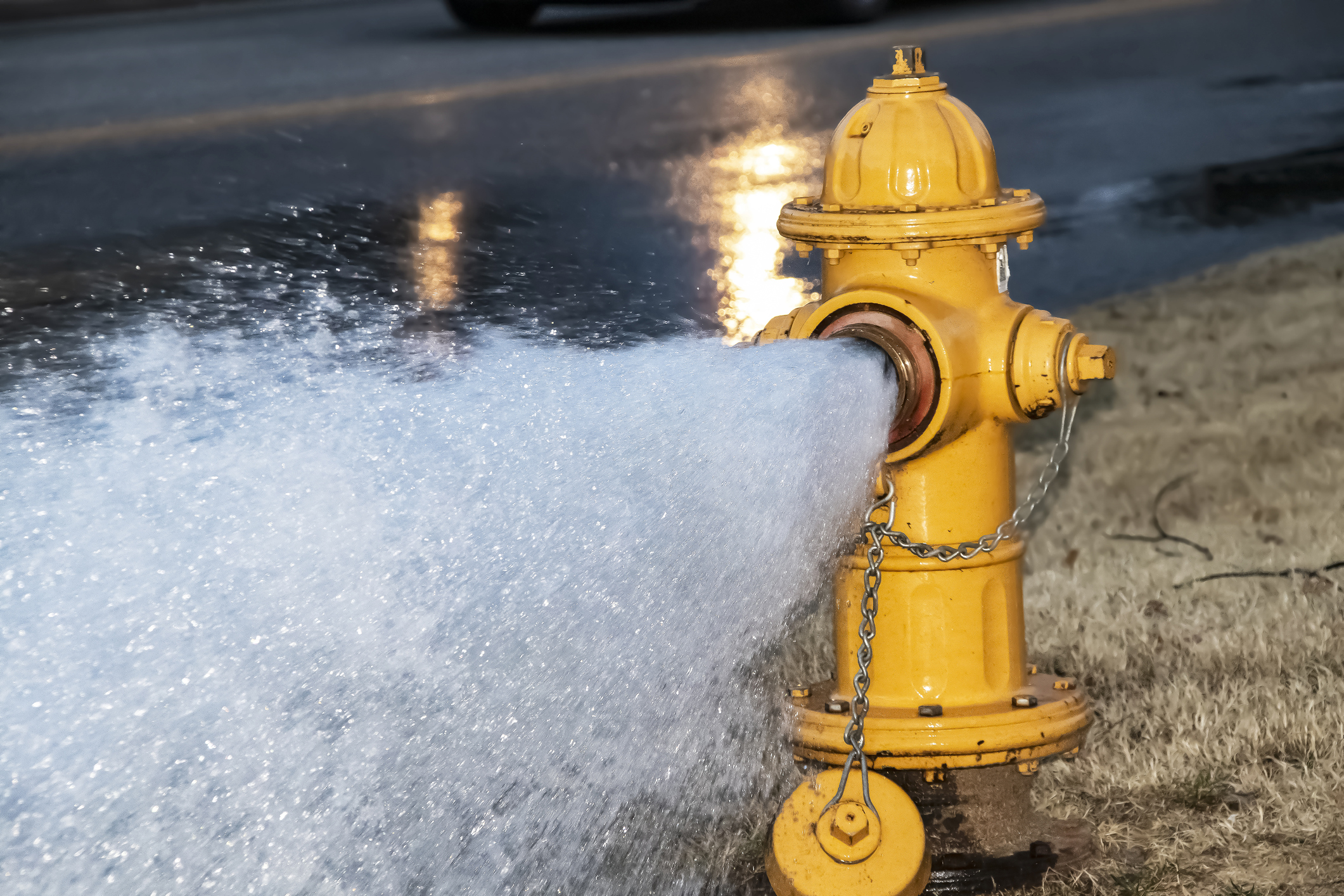
Firefighters, DEP crews, and utility teams open hydrants at high flow rates for testing or flushing. This sudden rush of water is almost guaranteed to stir sediment, sending brown or yellow water into nearby buildings for several minutes to hours.
Whether emergency repairs, planned upgrades, or valve operations—temporarily changing how water moves underground creates turbulence. When a main is shut down, rerouted, or re-pressurized, it dislodges material inside the pipes.
While discoloration is usually harmless and short-lived, understanding its causes helps residents stay calm, informed, and prepared. DowntownWaterReport tracks these events closely to offer guidance whenever they occur.
Temporary discoloration is common in Lower Manhattan due to sediment in older pipes being disturbed by construction, hydrant use, or water main maintenance. This is usually harmless and clears after running cold water for a few minutes. Persistent discoloration may indicate building-level plumbing issues.
Fixture-level: Only one faucet affected — check aerators or cartridges.
Building-level: Multiple apartments/floors affected — inspect risers, valves, or booster pumps.
City-level: Multiple neighboring buildings affected — likely related to mains, hydrant flushing, or infrastructure work.
Taste and odor can vary due to seasonal changes, hydrant flushing, or pressure shifts. Chlorine may be more noticeable in warmer months, and older pipes can temporarily alter flavor during flow changes. These variations are usually temporary and safe.
Run cold water from all taps for a few minutes to flush any sediment or discolored water. Check DEP advisories for updates. If discoloration persists, contact building maintenance to inspect internal risers or valves.
DowntownWaterReport monitors hydrant activity, construction, water main repairs, and seasonal events, providing residents with real-time updates. Subscribing to alerts or checking the website regularly helps you anticipate temporary changes in water clarity, taste, or pressure.
To the untrained eye, the water infrastructure...
At first glance, moving from a historic,...