Tribeca is the gold standard for luxury loft living. Its cobblestone streets are lined with former textile warehouses and industrial factories that have been meticulously reimagined into multi-million dollar residences. However, even in the most high-end conversions along Greenwich or Hudson Street, residents often encounter a frustrating quirk: inconsistent water temperature.
You might be enjoying a perfectly balanced shower when the water suddenly scalds or turns icy cold. Or perhaps you’ve noticed that your kitchen tap takes five minutes to produce hot water, while your neighbor in the same building has no such delay. In a neighborhood where the downtown water conditions are generally high-quality, these thermal fluctuations are rarely a city-side problem. Instead, they are a byproduct of how 19th-century industrial skeletons have been retrofitted with 21st-century luxury plumbing.
The “Industrial Skeleton” Challenge
To understand why your water temperature varies, you have to look at the “bones” of the building. Most Tribeca lofts were built between 1870 and 1910. These structures were never intended for residential use; they were designed for heavy machinery, bulk storage, and industrial processing.
When these buildings were converted into residential lofts, architects had to “snake” new plumbing lines through thick masonry walls and massive timber joists. This created long, winding paths for hot water to travel. In many building plumbing configurations, the central boiler is located in a deep basement, and the water must travel hundreds of feet horizontally and vertically to reach a master suite. By the time the water arrives at your showerhead, it has lost significant thermal energy to the uninsulated pipes buried in the cold brickwork.
The Rise of the “Dead Leg”
A common issue in large loft conversions is the creation of “dead legs.” These are lengths of pipe that lead to a fixture but do not have a recirculating pump to keep the water moving. If you live in a sprawling 4,000-square-foot loft, the guest bathroom might not be used for days. The hot water in the pipes leading to that bathroom sits still, cools down to room temperature, and becomes a “plug” of cold water.
When you finally turn on the hot tap, the boiler has to push that entire column of cold water out before you feel any heat. This creates a perception of “varied temperature” when, in reality, it is a transit delay caused by the sheer scale of the loft’s layout. If you find yourself waiting too long for heat, it might be worth checking our FAQ for typical wait times in older Manhattan conversions.
The Pressure-Temperature Tug-of-War
In a dense neighborhood like Tribeca, water pressure and temperature are inextricably linked. Most modern luxury lofts are outfitted with “pressure-balancing” or “thermostatic” mixing valves in the showers. These valves are designed to prevent scalding by automatically adjusting the mix of hot and cold water if the pressure drops.
However, Tribeca is a neighborhood under constant renovation. When there are nearby infrastructure alerts or a neighbor on a lower floor is running a heavy-duty appliance, the cold water pressure in the building can fluctuate. Your shower valve detects this drop and instantly throttles the hot water to match, resulting in a sudden, jarring shift in temperature. Because older buildings often lack the sophisticated “pressure zones” found in new high-rises, these fluctuations are much more common in converted lofts.
Cross-Connection and “Ghost” Temperature Shifts
One of the most complex reasons for temperature variation in Tribeca is “crossover.” Because many lofts were renovated individually by different owners and contractors over several decades, the building’s internal plumbing can become a patchwork of different styles and standards.
If a single resident in the building installs a high-end “pre-rinse” kitchen faucet or a bidet without a proper check valve, hot water can actually “cross over” into the cold water lines (or vice versa). This causes your cold tap to run warm or your hot tap to fluctuate wildly. These “ghost” shifts are a hallmark of neighborhood reports in areas with high densities of converted industrial space.
The Role of the Central Boiler vs. Local Heaters
Many Tribeca conversions utilize a massive central boiler to provide hot water for the entire building. While efficient, these systems struggle to keep up with the modern “luxury demand.” If three penthouses are all using oversized soaking tubs simultaneously on a Sunday evening, the central system’s “recovery time” might lag, leading to tepid water for the rest of the building.
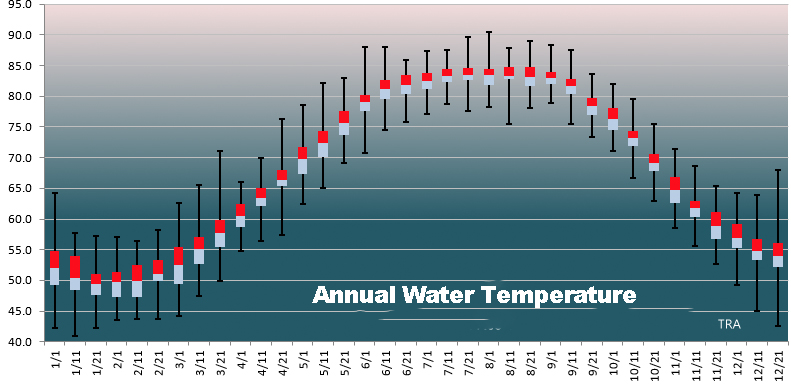
Conversely, some lofts have been retrofitted with individual “tankless” electric or gas water heaters. While these provide “endless” hot water, they are highly sensitive to the temperature of the incoming city water. During the winter, when the water in the mains under West Street is near freezing, these heaters have to work much harder to reach the target temperature, often resulting in lower flow rates or “surges” of varying heat.
Is This a Sign of a Bigger Problem?
While annoying, temperature variation is usually a mechanical issue rather than a water quality concern. However, if the change in temperature is accompanied by a change in color—such as a sudden burst of “brown water” when the hot tap is turned on—it could indicate that your building’s hot water storage tank is accumulating sediment.
When sediment settles at the bottom of a heater, it acts as an insulator, making the heating elements less efficient and causing the water temperature to fluctuate as the “silt” shifts around the intake. For more on the causes of discolored water in our area, you can browse our full blog archive.
How to Stabilize Your Loft’s Water Temperature
If you are tired of “Russian Roulette” showers in your Tribeca home, there are a few steps you or your building’s plumber can take:
- Install Recirculation Pumps: A small “point-of-use” pump can keep hot water moving through your specific unit’s lines, ensuring instant heat at the tap.
- Insulate Accessible Pipes: If you have exposed “industrial style” piping (a common aesthetic in Tribeca), ensuring the hot lines are properly insulated can prevent thermal loss.
- Check Mixing Valves: If the temperature varies only in one specific bathroom, the internal cartridge of the mixing valve may be clogged with the mineral scale common in downtown water conditions.
- Audit for Crossover: A professional plumber can check your building’s risers to ensure that no one’s “luxury upgrade” is pushing hot water into your cold lines.
Conclusion
Living in a Tribeca loft is about embracing the character of the past, but that doesn’t mean you have to embrace 19th-century plumbing standards. Varied water temperatures are a solvable problem, usually rooted in the transit time and pressure dynamics of a vintage industrial building.
If you’ve noticed a significant change in your water temperature following recent street work or a building-wide repair, we want to know. Tracking these patterns helps us provide better insights for the whole community. You can reach out to us via our contact page to share your experience or ask for advice on managing your building’s unique plumbing quirks.