Why Nolita’s Old Buildings are More Prone to Internal Plumbing Discoloration
Nolita—North of Little Italy—is a neighborhood defined by its human scale. Unlike the towering glass monoliths of the Financial District or the sprawling luxury conversions of West Chelsea, Nolita is a sanctuary of six-story walk-ups, narrow tenement hallways, and fire escapes that have overlooked Elizabeth and Mott Streets for over a century.
While this historical charm is what draws residents and high-end boutiques to the area, it presents a unique challenge for modern living: the water. Residents in Nolita frequently report “morning rust” or a persistent yellow tint in their tap water that seems to defy the city’s general reputation for high-quality H2O. Understanding why these specific downtown water conditions are so prevalent in Nolita requires a deep dive into the “internal” world of tenement-era plumbing.
The Legacy of Galvanized Steel
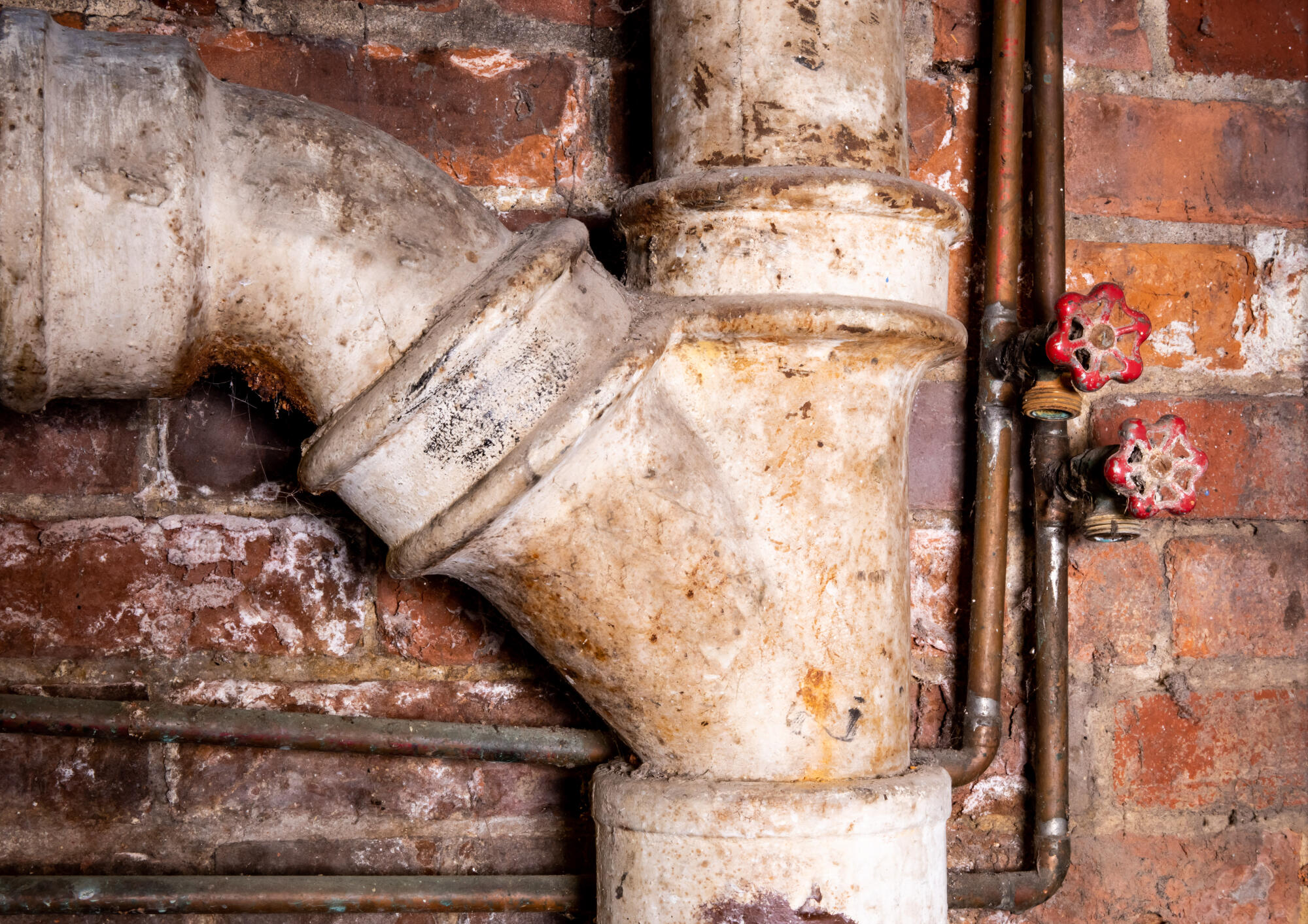
The primary reason Nolita’s water often looks different than water in a Battery Park City high-rise is the material of the pipes inside the walls. Most of Nolita’s residential stock was built between 1880 and 1920. During this era, the standard for building plumbing was galvanized steel.
Galvanized pipes are iron pipes coated in a layer of zinc to prevent rusting. However, after 80 to 100 years, that zinc coating has almost entirely eroded. What is left is raw iron that is constantly reacting with the water flowing through it.
This leads to a phenomenon known as “tuberculation.” Inside the pipe, small mounds of rust and oxidized minerals grow like stalactites. When the water sits still—such as overnight or while you are at work—it leaches these minerals directly from the pipe walls. This is why the first few gallons of water in the morning often look like weak tea. While the city’s main water supply is clear, the “last fifty feet” of the journey through your building’s vintage skeleton is where the discoloration occurs.
The Low-Occupancy and “Dead End” Effect
Nolita has undergone a significant demographic shift. Many of the buildings that once housed large families in every unit are now a mix of pied-à-terres, short-term rentals, and small professional lofts. This means that, on any given day, a significant portion of the building’s plumbing may not be in use.
When water sits stagnant in old pipes, the chemical reaction between the water and the iron accelerates. In a building with constant, high-volume usage, the sediment is flushed out regularly. In a quiet Nolita walk-up, that sediment has time to settle and concentrate. This is a localized issue that often shows up in our neighborhood reports, where two identical buildings on the same block can have vastly different water clarity based solely on how many people are running their taps that day.
Gravity Tanks and the “Silt Reservoir”
Many Nolita buildings are just tall enough to require a roof tank to maintain pressure on the upper floors. These iconic wooden tanks are a staple of the Manhattan skyline, but they act as massive settling basins.
Fine silt and iron particulates from the city’s street mains enter the building and sink to the bottom of these tanks. If the building’s maintenance staff doesn’t perform regular “tank cleaning” (which is required by the NYC Department of Health), that sediment eventually gets pulled into the distribution lines. Because Nolita buildings are smaller, the “flush” of a single toilet on the fourth floor can create enough turbulence in a dirty tank to send a wave of discolored water down to the second floor.
The Impact of Neighborhood Construction
Nolita is currently a “hot zone” for boutique hotel development and retail retrofitting. While the building you live in might be old, the street around it is constantly being dug up.
When a construction crew on Bowery or Lafayette Street works on a water main, they create pressure surges. In a modern building with copper or PEX piping, these surges might cause a momentary cloud of air bubbles. In a Nolita building with brittle, rusted internal lines, that pressure surge acts like a “scouring” force. It physically knocks loose the rust mounds (tubercles) inside your building’s pipes.
This is why, after a weekend of local street work, Nolita residents often find chunks of “black grit” or heavy rust in their faucet aerators. You can stay ahead of these surges by checking our Infrastructure Alerts to see if any utility work is scheduled for your block.
Is Discolored Water Safe?
This is the most frequent question we receive in our FAQ section. Generally, the discoloration caused by iron and manganese is considered an “aesthetic” issue by the Environmental Protection Agency (EPA). It affects the taste, odor, and color, but it is not typically a health hazard in the short term.
However, persistent discoloration can indicate that the pipes are thinning, which eventually leads to pinhole leaks and water damage behind your walls. If you are a renter or an owner in Nolita, documenting the frequency of “brown water events” is essential for long-term building health.
How to Manage Discoloration in a Vintage Building
If you live in a classic Nolita walk-up, you don’t have to settle for “rusty” coffee. Here are three practical steps:
- The Morning Flush: Run your cold water for 60 to 90 seconds every morning. This clears out the water that has been sitting in your apartment’s specific branch lines overnight.
- Clean Your Aerators: Unscrew the small mesh screens at the end of your faucets every few months. You will likely find a collection of “pipe scale” that is restricting your flow and tinting your water.
- Point-of-Use Filtration: Because the issue is “internal” to your building, a filter at the kitchen sink is much more effective than relying on the city’s treatment. Look for filters specifically rated for “particulate iron.”
The Future of the Neighborhood
Nolita’s charm is tied to its age, and that age comes with a “plumbing tax.” As more buildings undergo gut renovations, the galvanized steel is slowly being replaced with modern copper and LLDPE piping. Over the next decade, we expect to see a gradual improvement in local water clarity as the neighborhood’s “internal” infrastructure finally catches up to the 21st century.
If you have noticed a sudden change in your water color that doesn’t clear up after a two-minute flush, we want to hear about it. Your reports help us map the health of Lower Manhattan’s grid. You can reach out to us via our contact page to share your experience.
For more insights into the hidden mechanics of New York City living, feel free to browse our full blog archive.