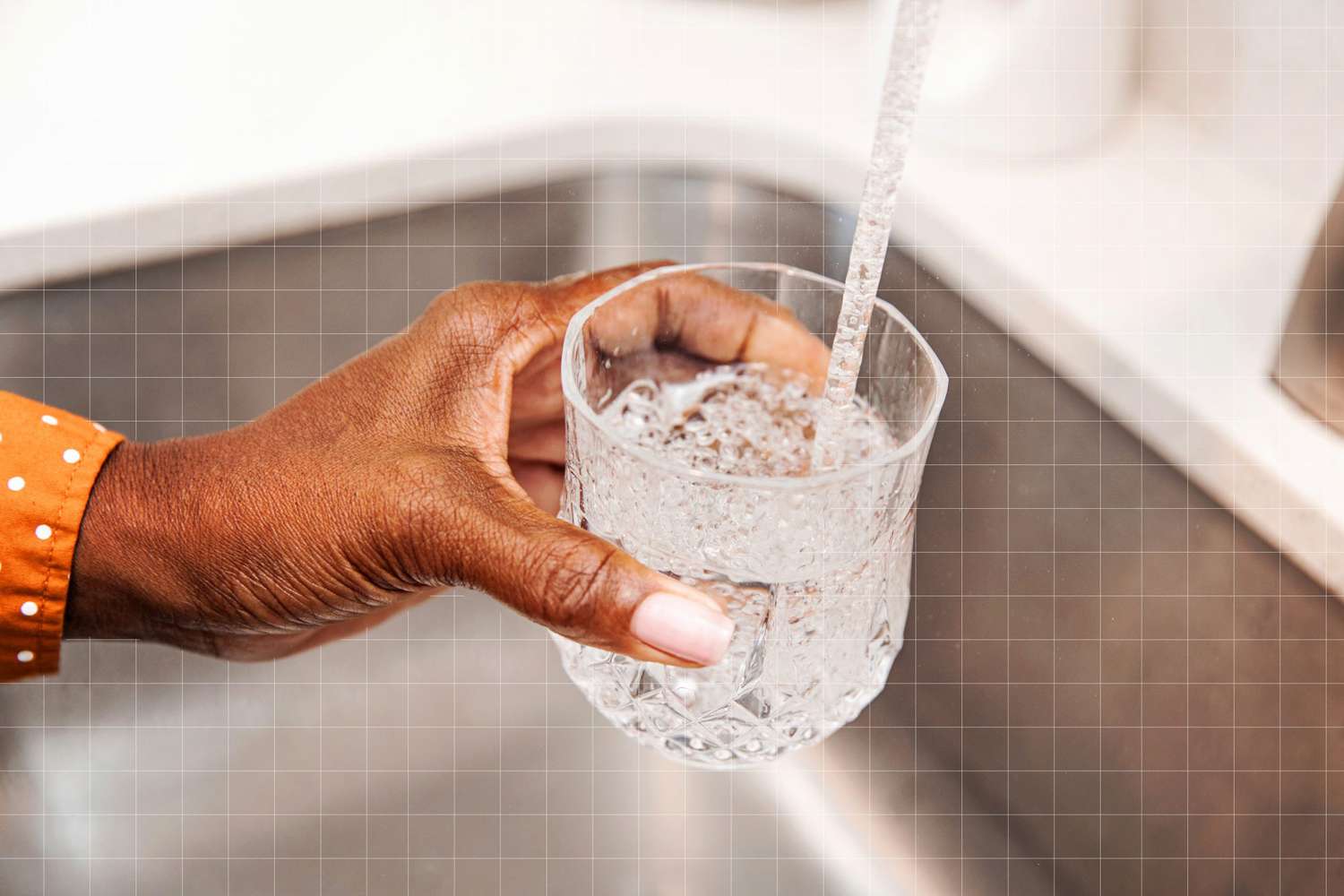
For thousands of professionals, the daily commute involves a trip through the PATH tunnels or a quick ferry ride across the Hudson River. It is a journey between two distinct skylines, two different tax codes, and, as many observant commuters have noted, two very different glasses of water.
If you live in a luxury rental in Jersey City’s Newport or a brownstone in Paulus Hook, but work in a Financial District (FiDi) high-rise or a Tribeca loft, you may have noticed a sensory “toggling” effect. The water at your office might taste crisper, more metallic, or perhaps more heavily chlorinated than the water you used to brush your teeth this morning. This isn’t just a trick of the palate; it is the result of a massive geological and infrastructural divide between New Jersey and New York.
Understanding these is essential for commuters who spend half their waking hours on either side of the river. The difference in taste is rooted in where the water comes from, how it is treated, and the state of the that delivers it to your desk.
The Source Divide: Boonton vs. The Catskills
The most significant reason for the taste difference is the origin point. While Jersey City and Lower Manhattan are less than a mile apart, their water comes from entirely different directions.
Jersey City Water: Most of Jersey City is supplied by the Jersey City Reservoir in Boonton and the Split Rock Reservoir. This water travels through a dedicated system managed by the . New Jersey water often passes through more industrial and suburban corridors before reaching the urban center, and the source reservoirs are at a lower elevation than those in New York.
Manhattan Water: Lower Manhattan’s supply is a marvel of civil engineering. Roughly 90% of it comes from the Catskill and Delaware watersheds, located over 100 miles upstate. This water is famously soft and is naturally protected by thousands of acres of undeveloped forest. The maintains that this unfiltered supply is the “champagne” of tap water, largely because of its high alkalinity and low mineral content.
Chemical Profiles: Chlorine and Filtration
Because the sources are different, the treatment methods must vary to meet safety standards.
Jersey City water is filtered. The purification process at the Boonton plant involves coagulation, sedimentation, and filtration to remove impurities. This can sometimes result in a “flatter” taste, as some of the natural minerals are stripped away during the cleaning process.
In contrast, New York City’s Catskill/Delaware supply is one of the few in the world that is largely unfiltered. Instead, it is treated with ultraviolet (UV) light and chlorine. Commuters often notice a stronger “pool-like” scent in Manhattan offices. This is because NYC uses slightly higher chlorine residuals to ensure the water remains sterile as it travels through the massive, 100-year-old zones under FiDi and SoHo.
The “Final Mile” and Office Plumbing
Even if the water arrives at the building’s edge perfectly, the internal architecture of a commercial office tower changes its character.
Most FiDi office buildings are “Supertalls” or historic landmarks. To get water to the 40th floor, these buildings utilize massive rooftop tanks or intermediate suction tanks. Water in an office building often sits in these tanks over the weekend when the building is at low occupancy. By Monday morning, that water may have a slightly “stale” or “metallic” quality due to stagnation.
Conversely, if you live in a modern Jersey City high-rise, your building likely uses a “variable frequency drive” (VFD) pump system that pulls water more consistently from the street. This difference in “transit time” inside the building can significantly alter the temperature and dissolved oxygen levels, both of which define how we perceive taste.
The Metallic Note: Old Iron vs. New Copper
If your Downtown office is in a converted pre-war building, you are likely drinking water that has traveled through century-old cast iron mains. As we discuss in our , these pipes have a layer of “tuberculation” (iron-oxide mounds).
Jersey City has invested heavily in modernizing its water mains over the last two decades. Many commuters find that their home water feels “cleaner” or “lighter,” while their Manhattan office water has a distinct “iron” aftertaste. This is the physical signature of New York’s history. In Manhattan, the high-pressure environment of the business district can “scour” these old pipes, releasing microscopic iron particles that hit the back of your tongue.
Temperature: The Hidden Taste Factor
Taste is heavily dependent on temperature. Cold water masks “off” flavors, while warm water amplifies them.
Jersey City’s newer distribution lines are often buried deeper or in soil that is less “thermally active” than the crowded subterranean environment of Lower Manhattan. In FiDi, the water pipes are often packed into narrow streets alongside steam mains and electrical vaults that leak heat. This can result in “cold” office water that is actually 10–15 degrees warmer than the water in a Jersey City residential kitchen. This slight warmth makes the chlorine and mineral profiles in Manhattan water much more obvious to the palate.
Managing the Taste Shift
If the transition between home and office water is jarring, there are ways to bridge the gap:
- The Monday Morning Flush: If you’re the first one in the office on a Monday, run the pantry tap for two minutes. This clears out the “stagnant” water from the building’s internal risers.
- Aeration: Pouring Manhattan tap water into a carafe and letting it sit for ten minutes allows the chlorine gas to escape, making it taste much closer to the filtered Jersey City profile.
- Filtration Check: Most Manhattan offices use “point-of-use” filters (like those in Brita pitchers or built-in refrigerator dispensers). These filters are often overwhelmed by the sediment surges common in Downtown. If your office water tastes particularly “dusty,” check our —it might be time to suggest a filter change to your office manager.
Conclusion: Two Cities, One River, Different Sips
The Hudson River is a geographic boundary, but for the water grid, it is a total firewall. The difference you taste as a commuter is a testament to the varying histories of two great cities. New York’s water is a raw, powerful, and historic flow from the mountains; Jersey City’s is a carefully processed, modern urban supply.
Neither is inherently “better” in terms of safety, but they are undeniably different in character. By paying attention to the updates regarding local main breaks and tunnel maintenance, you can better understand why your morning coffee in Newport tastes different than your afternoon tea in Tribeca.