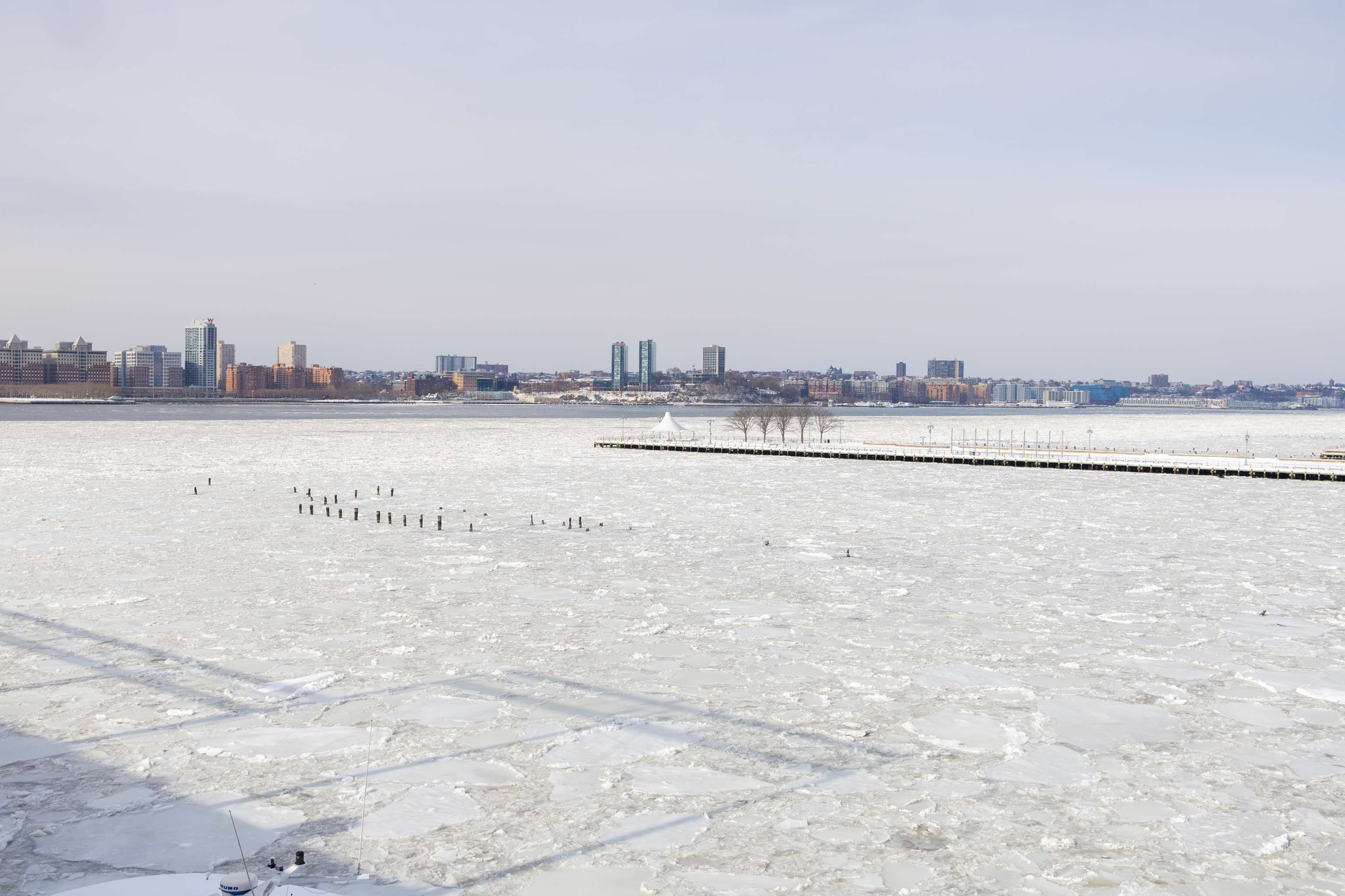
For residents of Battery Park City, the Far West Village, or the luxury towers lining the West Side Highway, the Hudson River is a constant, calming neighbor. Its vast expanse offers some of the best sunset views in Manhattan and provides a necessary breeze during the humid summer months. However, the river’s influence isn’t just aesthetic; it’s thermal.
Many residents in waterfront buildings have noticed a peculiar trend: their tap water is significantly colder in the winter and warmer in the late summer than their counterparts living just a few avenues inland. While New York City’s water originates from the same pristine upstate reservoirs for everyone, its “final mile” journey through the soil and into your building plumbing is where the river starts to have its say.
The Subterranean Heat Exchange
To understand the “river effect,” we have to look at how water mains are laid. Most city water mains are buried roughly four to six feet beneath the street. At this depth, the soil acts as an insulator, keeping the water at a relatively stable temperature.
However, in buildings within a few hundred feet of the Hudson, the soil isn’t just dirt; it’s often saturated with groundwater that is in a state of constant “thermal communication” with the river. Because water is a much better conductor of heat than dry soil, the temperature of the Hudson River—which can swing from a frigid 32°F in February to a balmy 80°F in August—directly influences the temperature of the ground surrounding the water pipes.
When the river is cold, it chills the surrounding water table, which in turn acts like a giant ice pack for the city’s water mains. Conversely, in the summer, the sun-warmed Hudson heats the local earth, causing a measurable rise in the temperature of the water before it even reaches your building’s intake. This localized fluctuation is a key component of the downtown water conditions that differentiate the “Waterfront District” from the rest of the island.
The Impact on High-Rise Mechanicals
While the river initiates the temperature shift, your building’s internal mechanics often amplify it. In many Battery Park City and FiDi high-rises, water is stored in basement “suction tanks” before being pumped to the upper floors.
If the incoming “cold” water is already 75°F because of a hot August river, and it sits in a basement tank near a building’s steam-powered HVAC system, it can easily reach 80°F or more by the time it reaches your kitchen tap. This is why some residents find it nearly impossible to get a “cold” glass of water without ice during the dog days of summer.
In the winter, the opposite occurs. The river-chilled water arrives at the building at temperatures near freezing. This puts a massive strain on the building’s central boilers. If the incoming water is 35°F instead of the typical 50°F found further inland, the boiler has to work twice as hard to reach the legally required 120°F for domestic hot water. During peak morning hours, this can lead to “laps” where the hot water feels tepid. You can track these seasonal trends in our Neighborhood Reports.
Infrastructure and the “River Chill”
Proximity to the river also means proximity to some of the city’s most exposed infrastructure. Along the West Side, water mains often have to navigate around complex Pier infrastructure and subterranean ventilation shafts for the PATH and Amtrak tunnels.
These “voids” in the earth allow cold river air to circulate closer to the water mains than in the dense, “solid” center of the island. In extreme winters, this can lead to localized “thermal shocks” to the pipes. When a pipe is rapidly chilled, the metal contracts, which can lead to micro-fissures and the water main breaks often listed in our Infrastructure Alerts.
Does Temperature Affect Water Quality?
From a safety standpoint, the temperature fluctuations caused by the Hudson are generally benign. However, they do change the “behavior” of the water:
- Taste: Warmer water is more likely to “gas off” the chlorine used for disinfection, which can make the water taste more “earthy” or “flat” in the summer.
- Dissolved Oxygen: Cold water holds more oxygen. The “crisp” taste of winter water is often just the result of higher oxygen levels and the lack of thermal agitation.
- Sediment: As we’ve noted in our FAQ, rapid temperature changes can cause pipes to expand and contract, which can occasionally loosen the “tuberculation” (rust) inside older cast-iron mains, leading to temporary discoloration.
Managing the River Effect in Your Home
If you live in a waterfront building and find the temperature swings frustrating, there are a few ways to mitigate the impact:
- The “Thermal Flush”: In the summer, run your cold water for 60 seconds. This clears out the water that has been sitting in your building’s internal (and likely warm) pipes, bringing in the relatively cooler water from the deeper street mains.
- Point-of-Use Cooling: For those who prefer drinking tap water, a small under-sink chiller can provide a consistent 45°F stream regardless of what the Hudson is doing.
- Insulate Internal Risers: If you are undergoing a renovation in a waterfront loft, ensuring your cold water lines are properly insulated will prevent them from picking up heat from neighboring steam or hot water lines.
Conclusion
The Hudson River is a powerful force that shapes the climate of Lower Manhattan, both above and below ground. While the city works to maintain a stable supply, the physical reality of living on an island means our water will always be a reflection of the environment it travels through.
Understanding that your “warm” cold water in August is a result of the river’s thermal mass—and not necessarily a building failure—can save a lot of calls to the superintendent. However, if you notice a sudden, extreme change in temperature that is accompanied by a loss of pressure, it may be an internal building issue. For more tips on troubleshooting your building’s quirks, feel free to browse our full blog archive.
If you have noticed a specific temperature pattern on your block that seems tied to the tides or the seasons, we want to hear about it. Your observations help us build a more detailed picture of the neighborhood’s hydraulic health. You can reach us via our contact page.