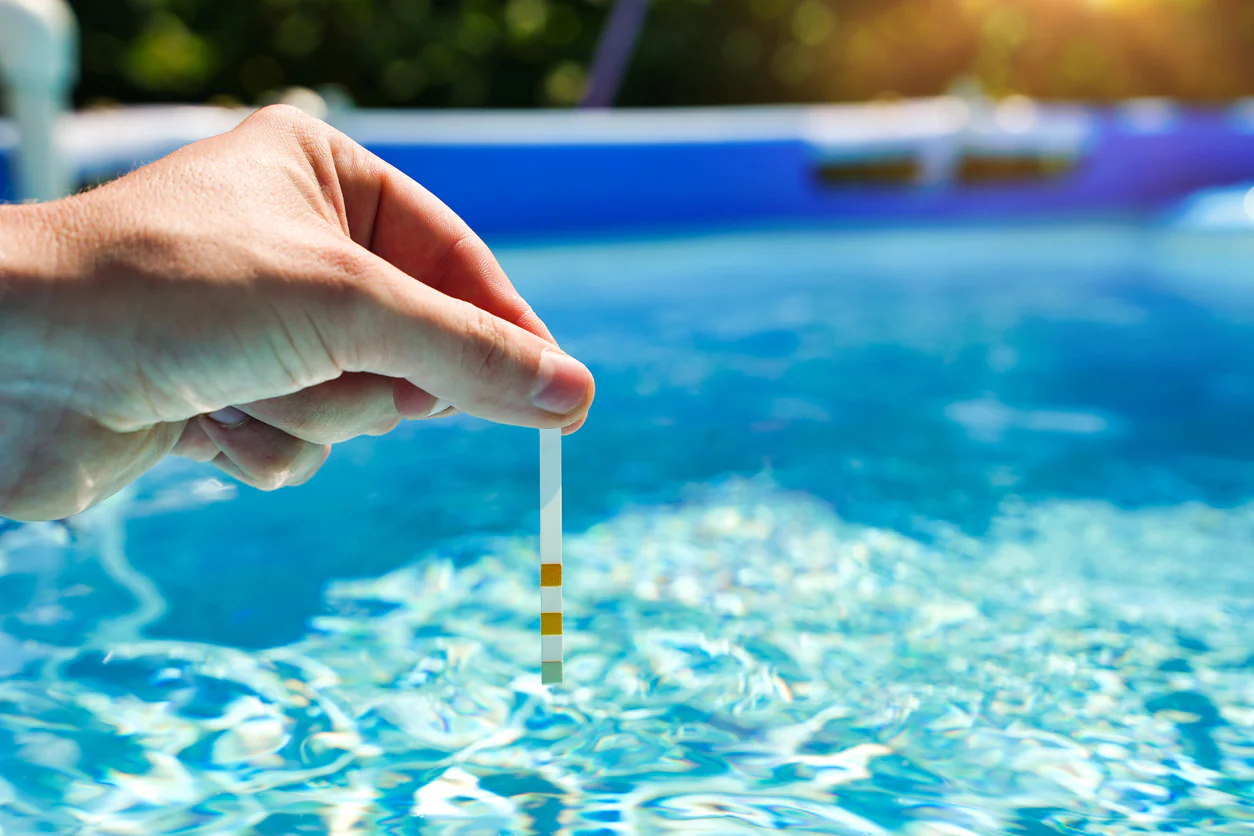
If you have ever moved from a loft in Tribeca to a high-rise in Battery Park City (BPC), you might have noticed a subtle but distinct change in your morning glass of water. While both neighborhoods sit on the edge of the Hudson River and draw from the same massive municipal system, residents in Battery Park City frequently report a more pronounced “swimming pool” scent or a sharper chlorine taste compared to their neighbors just across West Street.
This isn’t your imagination. The sensory profile of your water can change block by block in Lower Manhattan. The reasons behind this variation involve a mix of modern urban planning, building-specific building plumbing, and the physics of how water travels through the city’s veins.
The Chlorine Baseline: NYC’s Disinfection Strategy
Before looking at the local differences, it is important to understand why the chlorine is there in the first place. New York City’s water is world-renowned for its quality, largely because it is unfiltered. Instead, the NYC Department of Environmental Protection treats the water with chlorine to kill bacteria and viruses as it travels from the upstate reservoirs.
To ensure the water is safe by the time it reaches the very end of the line—like the tip of Manhattan—the city must maintain a “chlorine residual.” This is a small amount of leftover chlorine that stays in the water to prevent re-contamination while it sits in the pipes. If you are noticing a spike in this scent, it’s often a sign that the system is responding to local downtown water conditions or seasonal temperature changes.
The “End of the Line” Phenomenon
Tribeca is part of the “old” Manhattan grid. Its water mains are integrated into a dense, interconnected web of pipes that have been in place for a century. Battery Park City, however, is a relatively recent addition to the island’s footprint, built largely on landfill in the 1970s and 80s.
Because BPC sits on the westernmost fringe of the island, its water mains essentially act as “dead ends” or “cul-de-sacs” in the city’s hydraulic map. In a circulating grid like Tribeca’s, water is constantly moving. In the linear layout of Battery Park City, water can sometimes “sit” longer in the pipes. To ensure this stationary water remains sterile, the concentration of chlorine must be kept strictly within the upper limits of safety. This can lead to a more noticeable odor for BPC residents, especially during periods of low usage.
Modern Green Standards vs. Industrial Lofts
The architecture of these two neighborhoods plays a massive role in how water tastes by the time it hits your glass. Battery Park City is famous for being a pioneer in “green” residential living. Many buildings, like The Solaire or The Visionaire, were built with LEED certification in mind.
These buildings often feature advanced internal water treatment systems, including:
- On-site water recycling: Some BPC buildings treat greywater for non-potable use.
- Massive storage tanks: To manage the high-pressure needs of a 30-story tower, BPC buildings rely on large suction tanks in the basement.
- Secondary chlorination: In some large-scale commercial or residential complexes, building managers may add a tiny secondary dose of disinfectant to the building’s internal tanks to ensure the water stays fresh as it sits in the rooftop reservoirs.
In contrast, a classic Tribeca loft building is often a direct-feed system or uses a much smaller, traditional wooden roof tank. The water spends less time “sitting” in the building’s own infrastructure, which often results in a milder chlorine profile. If you are curious about how your specific street compares, our neighborhood reports track these localized sensory trends.
The Impact of Infrastructure Alerts
Chlorine levels aren’t static; they fluctuate based on what is happening in the streets. When there are infrastructure alerts involving water main repairs near West Thames Street or North End Avenue, the DEP may temporarily increase chlorine dosages.
This is a standard safety precaution. Any time a pipe is opened for repair, there is a microscopic risk of outside contaminants entering the system. By “shocking” the local lines with a slightly higher chlorine residual, the city ensures that the water remains potable throughout the repair process. Because BPC is a more self-contained system than the sprawling Tribeca grid, these “shocks” can feel much more concentrated to the end user.
Temperature and the “Gas-Off” Effect
Chlorine is a dissolved gas. Its ability to stay in the water—and your ability to smell it—is highly dependent on temperature.
- In the Winter: Cold water holds onto chlorine gas more effectively. When you turn on the hot tap, that gas is suddenly released into the air, creating that “bleach” smell in your shower.
- In the Summer: As the Hudson warms up, the water in the shallower mains under Battery Park City also warms. This can cause the chlorine to “gas off” before it even reaches your faucet, or it may prompt the city to add slightly more to compensate for the heat.
What Can You Do About the Taste?
The good news is that chlorine is one of the easiest “problems” to fix in a home water system. Unlike heavy metals or sediment, chlorine is highly volatile and wants to leave the water.
- The Pitcher Method: If you fill a glass pitcher with water and leave it in the fridge overnight, most of the chlorine will naturally evaporate (gas off) within 12 to 24 hours.
- Carbon Filtration: Simple charcoal filters (like Brita or under-sink units) are incredibly effective at removing the taste and odor of chlorine. However, remember that once the chlorine is removed, the water is no longer protected by a disinfectant, so you should drink it within a day or two.
- Flush the Lines: If you’ve been away for the weekend, the water in your building’s risers has been sitting still. Running the tap for two minutes can bring in “fresher” water from the street mains.
Staying Informed
For more technical details on how your water is treated, the Environmental Protection Agency (EPA) provides excellent resources on the “disinfection byproducts” that are monitored in municipal systems.
While the taste might be different between a BPC high-rise and a Tribeca loft, both neighborhoods enjoy some of the safest tap water in the world. The variation is simply a byproduct of the incredible engineering required to keep a modern city hydrated.
If you are experiencing a sudden, overwhelming chemical smell that feels out of the ordinary, please check our FAQ or reach out via our contact page. We help residents distinguish between routine “end-of-line” chlorination and potential building-wide maintenance issues.
For more insights into the hidden world of Manhattan’s water, browse our latest updates on the blog.