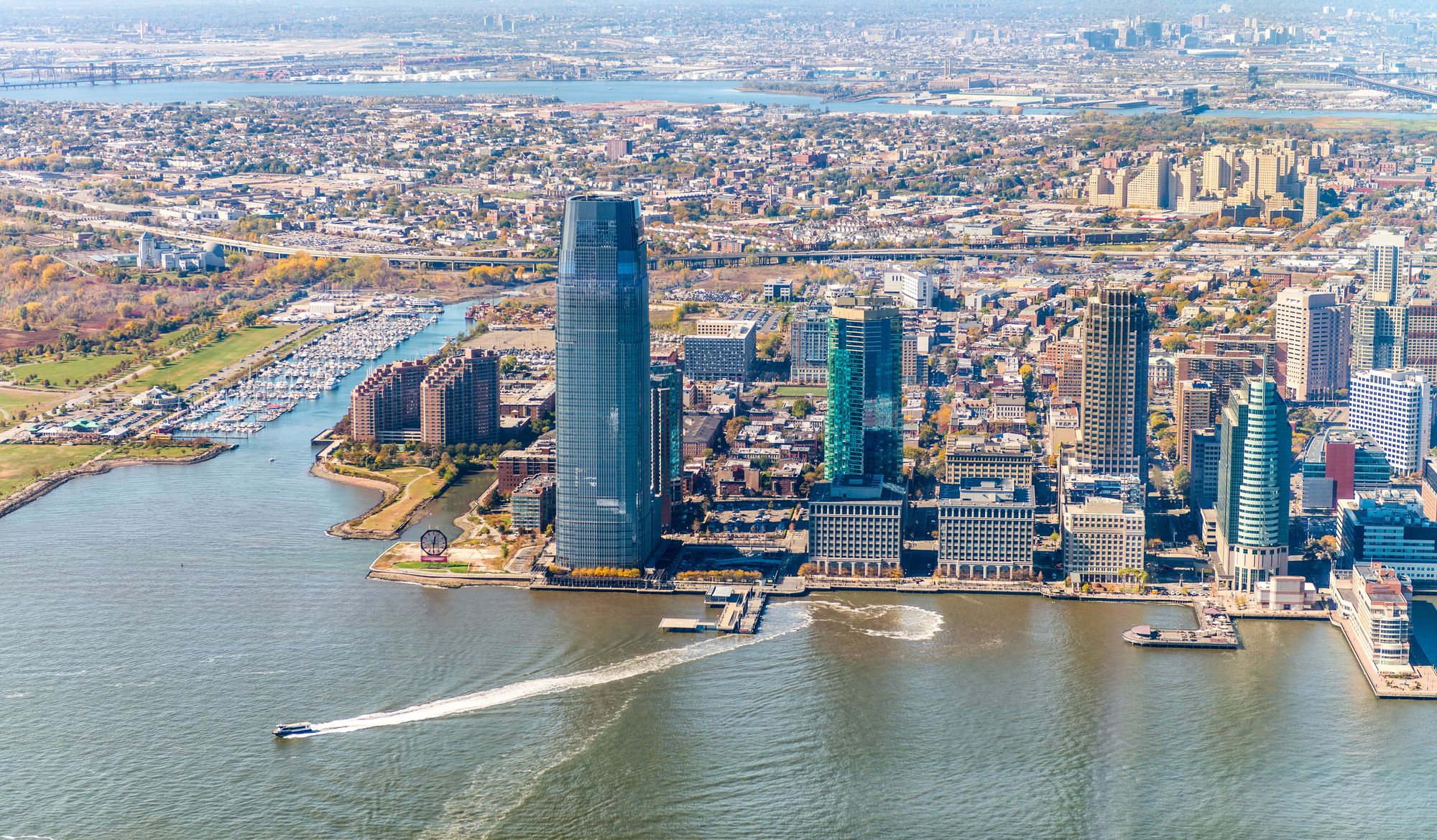
The jump from Jersey City to Lower Manhattan is a classic rite of passage for many New Yorkers. You’ve likely spent a few years in a sleek Newport high-rise or a charming Paulus Hook brownstone, eyeing the World Trade Center from across the Hudson. But as you trade your PATH card for a MetroCard and prepare to settle into the Financial District (FiDi), Battery Park City, or TriBeCa, there is one major adjustment you might not have considered: your relationship with the tap.
While the two cities are separated by less than a mile of water, their subterranean worlds are centuries apart. Moving from the relatively modern, unified grid of Jersey City to the ancient, tiered infrastructure of Manhattan changes how you experience everything from your morning shower to your laundry cycles. Here is what every Jersey City transplant needs to understand about downtown water conditions before signing that lease.
1. The Source: Mountains vs. Reservoirs
The first thing you’ll notice is a change in the water’s “texture.” Most of Jersey City is supplied by the Jersey City Reservoir in Boonton, which undergoes a rigorous filtration process. It is a reliable, modern urban supply.
Lower Manhattan, however, is served by the legendary Catskill and Delaware watersheds. This water travels over 100 miles through massive aqueducts. Because the source is so naturally pure, New York City is one of the few places on earth that is largely exempt from federal filtration requirements. Instead, it is treated with UV light and chlorine. For a Jersey City renter used to filtered “flat” water, Manhattan tap water often feels “brighter” or softer, but it may have a slightly stronger chlorine scent—especially during the high-demand summer months.
2. The “Building-Side” Filter: Suction Tanks
In Jersey City, most modern apartment buildings pull water directly from the street mains with enough pressure to reach the middle floors. In the ultra-tall landscape of FiDi, the process is far more mechanical.
Most Manhattan high-rises use a “suction tank” in the basement. The building “inhales” water from the street, stores it in a massive vat, and then uses high-powered booster pumps to blast it up to the roof. This creates a unique vulnerability. While Jersey City water problems are often “city-wide,” Manhattan issues are often “building-specific.” If your building’s suction tank hasn’t been cleaned, you might experience sediment issues that your neighbor across the street does not. This is a common topic in our building plumbing deep dives.
3. The “Yellow Surge” is Part of the History
Jersey City renters are used to occasional brown water after a main break on Route 1&9. In Lower Manhattan, discoloration events are more rhythmic and tied to the neighborhood’s age.
Beneath the streets of the Financial District lie some of the oldest water mains in the United States—some dating back to the late 1800s. These cast-iron pipes have a century of accumulated iron “tuberculation” (rust mounds). When a nearby construction project or a heavy rainstorm causes a shift in the street’s hydraulic pressure, these pipes “scour,” releasing a temporary burst of yellow or pale amber water.
In our neighborhood reports, we often see that transplants are more alarmed by this than “old-guard” New Yorkers. The “Yellow Surge” is rarely a health risk, but it is a physical reminder that you are living on an island with industrial-age bones.
4. The “Rooftop Tank” Variable
If you move into a pre-war loft in TriBeCa or a historic conversion in FiDi, you will likely see the iconic wooden water tanks atop your building. Unlike the modern pump systems in Jersey City’s newest towers, these tanks rely on gravity to provide your shower pressure.
This means your water pressure is determined by how many floors are above you. If you are on the top floor of a gravity-fed building, your pressure might be lower than what you enjoyed in Jersey City. Conversely, those on the lower floors might deal with “water hammer”—the banging sound of pipes—due to the immense weight of the water column coming down from the roof. If you hear these noises, check our FAQ to see if your building needs a pressure-reducing valve adjustment.
5. Infrastructure Alerts: A Different Pace
Jersey City infrastructure work often feels like a localized “emergency.” In Lower Manhattan, infrastructure work is a constant background noise. Between the NYC Department of Environmental Protection (DEP) upgrading 100-year-old valves and ConEd digging up steam lines, the grid is in a state of perpetual renovation.
Before you move, it is wise to check our infrastructure alerts for your new block. A planned water shutdown for a “valve exercise” can last 8 hours and leave you with several hours of sediment-heavy water afterward. In Jersey City, you might get a text alert; in Manhattan, you often find out when you see a “Blue Card” taped to your lobby door.
6. Why Your Coffee Might Taste Different
Many Jersey City expats report that their morning brew tastes different in Manhattan. This is due to the alkalinity of the Catskill water. It interacts differently with coffee grounds than the filtered Jersey City supply. Many local baristas in the Financial District actually “re-mineralize” or filter the water to achieve a specific profile. If you are a home brewing enthusiast, you may find yourself adjusting your grind or temperature to compensate for the “Manhattan Mineral” profile.
Transition Tips for the New Manhattanite
To make your move as smooth as possible, we recommend a few simple “tap-side” habits:
- The 30-Second Rule: On your first morning in the new apartment, run the cold water for at least 30 seconds. This clears out any water that has been sitting in the building’s internal “riser” pipes overnight.
- Aerator Audit: Before you unpack your dishes, unscrew the aerators (the little screens) from your faucets. You would be surprised how much construction debris or pipe scale can be trapped in there during a tenant turnover.
- Monitor the Color: If you notice a tint, always check the blog for neighborhood-wide reports. If the yellowing is only in your unit, it’s a building plumbing issue; if the whole block has it, it’s the city mains.
- Update Your Filters: If you use a refrigerator filter or a Brita, be prepared to change it more frequently in Manhattan. The fine iron silt common in Downtown pipes can “blind” a filter faster than the cleaner New Jersey supply.
Conclusion: Embracing the Grid
Moving from Jersey City to Lower Manhattan is more than just a change of scenery; it is an entry into one of the most complex and historic hydraulic systems in the world. While you might miss the predictable pressure of your Newport rental, you are gaining access to water that has been the gold standard for urban supplies for over a century.
By staying informed and understanding the quirks of the building plumbing in your new neighborhood, you can ensure that your transition to the city is as clear as the water should be.
If you’ve just moved in and noticed something strange about your tap—whether it’s a new sound or a sudden cloudiness—don’t hesitate to reach out via our contact page. We help new residents decode the “language” of Downtown pipes every day.