If you live in Chinatown, you are used to the sensory experience of the neighborhood—the bustling markets on Canal Street, the aroma of steamed buns on Elizabeth Street, and the rhythmic clatter of the Manhattan Bridge overhead. But there is one neighborhood experience that remains jarring no matter how long you’ve lived here: turning on your kitchen tap and seeing water the color of strong oolong tea.
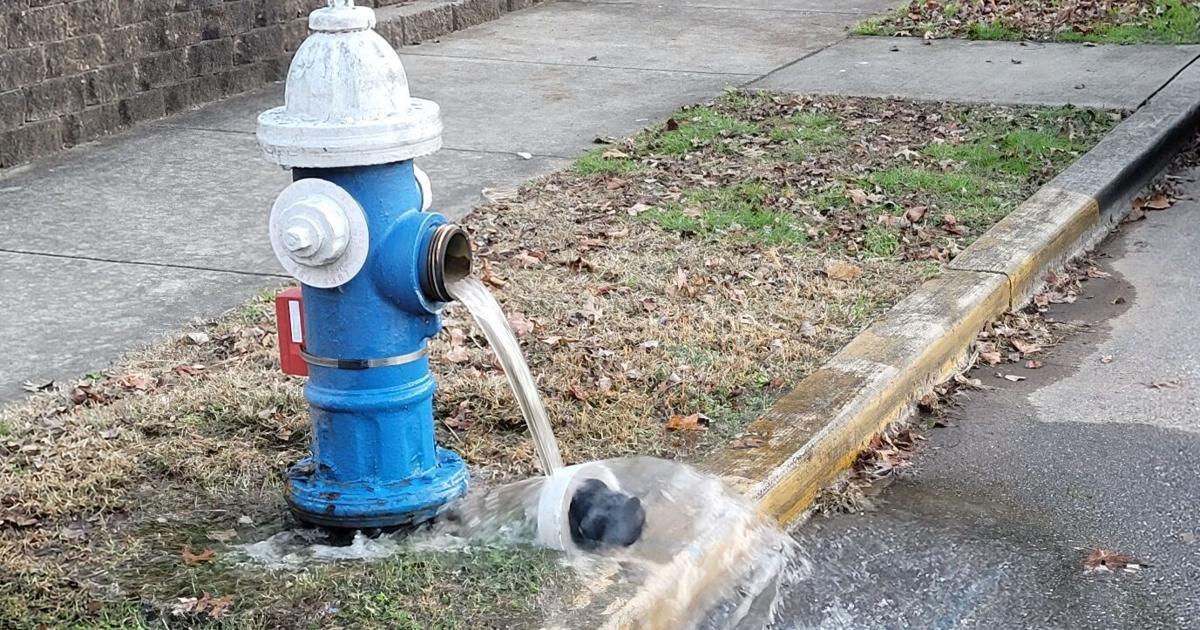
In Chinatown, this phenomenon is frequently tied to a routine but disruptive city ritual: hydrant testing. While the FDNY and the Department of Environmental Protection (DEP) perform these tests to ensure our safety, the immediate impact on a renter in a pre-war tenement can be significant. Understanding the “aftermath” of a hydrant test is essential for navigating downtown water conditions in one of Manhattan’s most historic districts.
The “Scouring” Effect: Why the Water Turns Brown
To understand why a hydrant test on the corner of Mott and Bayard affects your fifth-floor sink, you have to look at the pipes. Chinatown’s water mains are among the oldest in the city, consisting largely of unlined cast iron. Over decades, minerals like iron and manganese settle at the bottom of these pipes, creating a layer of sediment.
During a hydrant test, officials open the valves to ensure the hydrant can deliver the high-pressure flow required for firefighting. This sudden, massive increase in water velocity acts like a vacuum or a power washer inside the main. It kicks up years of settled sediment and sends it rushing through the grid.
Because Chinatown’s streets are narrow and the building density is so high, this “plume” of sediment reaches residential buildings almost instantly. If you are a renter in an older building, your building plumbing essentially “inhales” this debris the moment you or a neighbor turns on a tap.
The “First Flush” and Your Tenement’s Pipes
Many Chinatown apartments are located in “old law” or “new law” tenements. These buildings often have smaller-diameter service lines that are already partially constricted by internal rust. When hydrant testing occurs, several things happen in quick succession:
- Pressure Spikes: The surge of water can cause “water hammer,” a loud banging sound in your walls as the air and water pressure fluctuate.
- Sediment Traps: The fine silt kicked up from the street often gets caught in the “bends” of older plumbing. This can lead to a lingering yellow tint that lasts longer in Chinatown than it might in a modern FiDi high-rise.
- Aerator Clogs: The most common complaint after a test is a sudden loss of water pressure. This is usually because the “bits” of rust have clogged the tiny mesh screens (aerators) at the end of your faucets.
If you notice these issues, it is helpful to check the latest neighborhood reports to see if the testing was part of a wider precinct-wide drill or a localized repair.
The Safety Question: Can You Drink It?
According to the NYC Department of Environmental Protection, the discolored water following a hydrant test is generally not a health threat. The discoloration is primarily iron—the same mineral found in iron supplements.
However, “safe” doesn’t mean “palatable.” The water will likely have a metallic taste and a distinct odor. For renters, the biggest risk isn’t toxicity, but property damage. Iron-heavy water can permanently stain white laundry and can damage the internal components of high-end espresso machines or steam irons. If you have specific health concerns or use a specialized medical device that requires water, our FAQ section provides more guidance on dealing with temporary turbidity.
What to Do: The Chinatown Renter’s Checklist
If you see the FDNY at a hydrant on your block, or if you return home to find “Chinatown Tea” in your bathtub, follow these steps to clear your system:
- The Cold Water Run: Go to your bathtub and run the cold water for 10 to 15 minutes. Bathtubs have the highest flow rate and usually lack the fine filters that kitchen sinks have. Do not run the hot water, as this will pull the sediment into your building’s hot water heater, where it can settle and cause long-term issues.
- Clean the Screens: Once the bathtub runs clear, unscrew the aerators from your kitchen and bathroom sinks. You will likely find small grains of “pipe scale.” Rinse them out and screw them back on to restore your pressure.
- Check for Alerts: If the water doesn’t clear after 20 minutes, there may be a larger issue. Check our infrastructure alerts page to see if a water main break occurred during the testing—a common occurrence with older pipes under high pressure.
The Importance of Communication with Your Landlord
In Chinatown, many buildings are managed by smaller landlords or family-owned companies. It is important to document these water events. If the water in your building takes hours to clear after a hydrant test, it may be a sign that the building’s “suction tank” or roof tank needs cleaning.
Under NYC health codes, building owners are required to inspect and clean water tanks annually. If you feel your building is particularly prone to sediment, it may be worth asking your landlord for the most recent inspection report.
The Long-Term Outlook
Chinatown is a priority area for the city’s “Capital Improvement” projects. Because the neighborhood is so vital to the city’s tourism and economy, the DEP is gradually replacing the 19th-century cast iron with “cement-lined” ductile iron. These new pipes do not corrode internally, meaning that in the future, a hydrant test will no longer mean a brown-water afternoon for renters.
Until then, being a proactive renter is your best defense. Stay informed by checking our blog for updates on neighborhood-specific water trends. If you experience a persistent issue that your landlord refuses to address, or if the water quality doesn’t return to normal within 24 hours, please reach out via our contact page. We use resident feedback to track the health of the neighborhood’s grid and provide accurate data to the community.
Final Thoughts
Living in Chinatown means living with history, and sometimes that history flows through our pipes. Hydrant testing is a necessary part of keeping our dense, wooden-framed tenement buildings safe from fire. While the brown water is an inconvenience, knowing how to flush your lines and clean your aerators can help you get back to your routine with minimal stress.