Canal Street is the chaotic, beating heart of Lower Manhattan. It is a boundary line that separates neighborhoods, a major artery for cross-town transit, and a destination for millions of tourists. But beneath the layers of asphalt and the constant rumble of heavy trucks, there exists a subterranean relic of the 19th century that dictates the daily quality of life for residents from SoHo to Chinatown: a massive, aging network of cast-iron water mains.
If you live in the shadow of the Manhattan Bridge or near the Holland Tunnel entrance, “brown water” isn’t just an occasional nuisance; it is a recurring atmospheric condition. While many blame modern construction for these discolored surges, the true culprit is often the chemical and physical state of the cast-iron pipes that have sat undisturbed beneath Canal Street for over a hundred years. Understanding the relationship between this vintage iron and the downtown water conditions is essential for every local resident.
The Architecture of Tuberculation
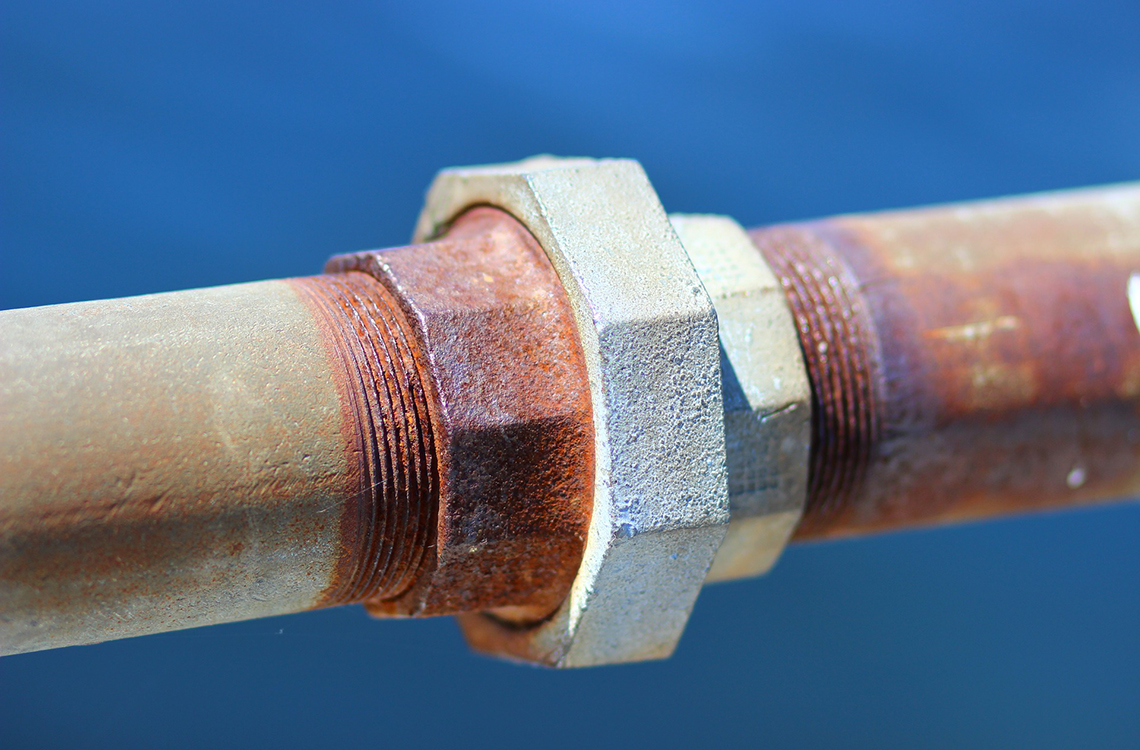
The majority of the primary water lines under Canal Street are made of unlined cast iron. When these pipes were installed—some as far back as the late 1800s—they were considered the gold standard of engineering. However, cast iron is prone to a specific type of internal corrosion known as tuberculation.
Over decades, the interior walls of these pipes develop small, jagged mounds of rust and oxidized minerals called “tubercles.” These are not flat layers of rust; they are complex, porous structures that act like a sponge for other minerals traveling through the system, such as manganese and fine silt.
Under normal, steady-state conditions, these rust mounds remain attached to the pipe wall, and the water flows over them relatively clearly. However, the environment under Canal Street is anything but steady.
The Canal Street “Hammer”: Traffic and Vibration
Canal Street carries a volume of heavy vehicular traffic that few other NYC streets can match. The constant passage of multi-ton freight trucks and tour buses creates significant subterranean vibrations. In a modern neighborhood with ductile iron or steel pipes, these vibrations are absorbed. In the brittle, tuberculated cast-iron mains of the Canal Street corridor, these vibrations act like a constant “hammering” on the pipes.
This seismic stress causes microscopic “flakes” of the internal rust mounds to break off into the stream. When this happens on a large scale—perhaps due to a particularly heavy truck or a nearby jackhammer—the result is the sudden appearance of yellow or amber-tinted water at your tap. If you find your water clarity fluctuating in sync with heavy local traffic, our Neighborhood Reports can help you see if other buildings on your block are experiencing the same rhythmic discoloration.
The “Velocity Surge” and High-Flow Demands
Because Canal Street is a major transit and commercial hub, the demand for water is massive. Fire hydrants along this stretch are frequently used for street cleaning, construction dust mitigation, and, occasionally, emergency firefighting.
When a hydrant on Canal Street is opened, the velocity of the water inside the cast-iron main jumps from a gentle flow to a high-speed rush. This sudden increase in speed creates a “scouring” effect. The water physically rips the sediment and rust out of the “valleys” between the tubercles and carries a concentrated plume of “brown water” into the service lines of nearby buildings.
For residents, this often feels like a random event. In reality, it is usually tied to a specific Infrastructure Alert or an unannounced utility test. The older the pipe, the more “scourable” material it holds, making Canal Street’s mains particularly volatile compared to the newer lines found in Battery Park City.
How Building Plumbing Interacts with the Mains
The water doesn’t end its journey at the street. Once the discolored water leaves the cast-iron main, it enters your building plumbing. In the older tenements and converted industrial lofts that line Canal Street, this can lead to secondary problems.
- Service Line Narrowing: The “tap” where your building connects to the city main can become a bottleneck for sediment.
- Booster Pump Suction: In taller buildings, powerful pumps pull water from the street. If the street main is currently experiencing a “sediment surge,” these pumps act like a vacuum, ensuring that the brown water reaches every floor of the building simultaneously.
- Internal Scaling: Many older Canal Street buildings still have original galvanized or iron internal pipes that add their own “local” rust to the mix, compounding the problem.
The Safety Question: Is It Potable?
The New York City Department of Environmental Protection (DEP) is quick to point out that brown water from iron mains is generally not a health hazard. Iron and manganese are secondary contaminants—they affect the color, taste, and smell of the water, but they are not toxic in the concentrations typically found during a “flush” event.
However, “safe” doesn’t mean “clean.” For many residents, the concern is the impact on expensive filtration systems and appliances. Fine iron silt can ruin a $100 carbon filter in a matter of minutes. If you have questions about the specific minerals found in our local supply, our FAQ covers the most common chemical profiles for Lower Manhattan.
What Can Residents Do?
If you live near the Canal Street corridor, you are living on top of a historical artifact that is slowly breaking down. While you can’t replace the city’s mains yourself, you can manage the impact:
- The Cold Flush: If you see brown water, run the cold water in your bathtub for 15 minutes. Bathtubs have the highest flow rate and usually don’t have the fine aerators that get clogged by iron flakes.
- Bypass During Construction: If you see “No Parking” signs and DEP trucks on your block, consider bypassing your whole-house filter for 24 hours to avoid saturating it with sediment.
- Document the Events: Tracking when and how often the water turns brown is the only way to get the city’s attention for a permanent pipe replacement. Use our Contact page to share your building’s experience.
The Future of Canal Street’s Infrastructure
There is light at the end of the tunnel—literally. The city is gradually moving toward replacing these unlined cast-iron mains with “cement-lined” ductile iron. These newer pipes do not develop tubercles and are much more resistant to the vibrations of city life. However, because Canal Street is such a critical transit artery, digging it up is a logistical nightmare that moves at a glacial pace.
Until the “Great Replacement” reaches your block, understanding the role of the cast-iron mains is your best defense. By knowing that the brown water is a physical byproduct of aging iron and vibration, you can take the necessary steps to protect your plumbing and your peace of mind.
For more deep dives into the subterranean world of our neighborhood, visit our blog for regular updates on Manhattan’s water health.