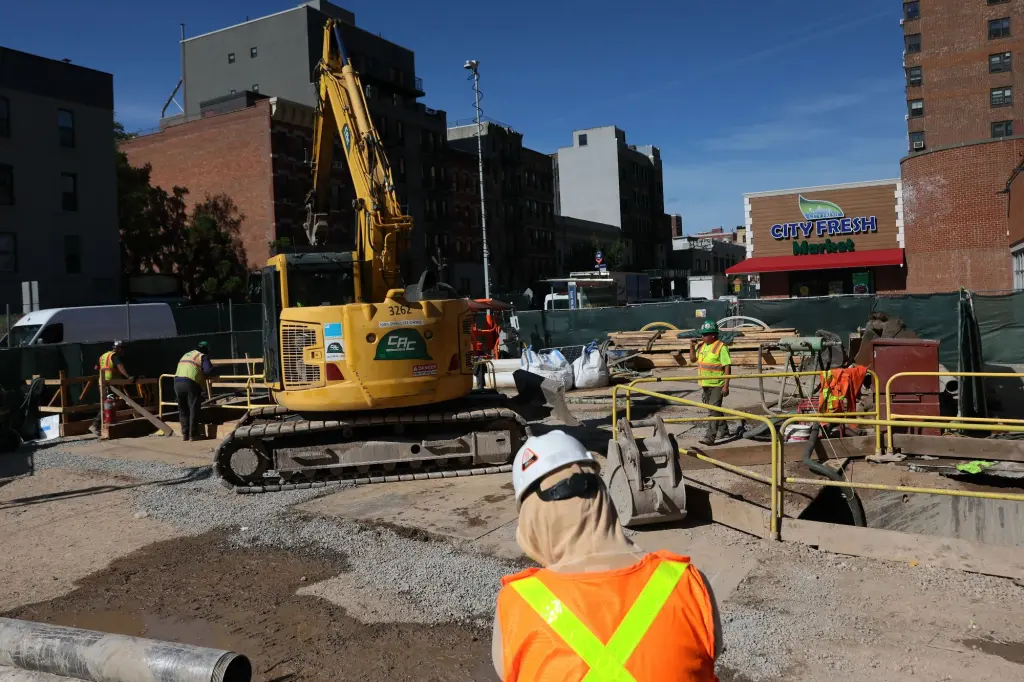
For decades, Hudson Square was the quiet, industrial cousin to SoHo and Tribeca—a neighborhood defined by massive printing presses and sturdy daylight factories. Today, that identity has shifted. With the arrival of tech giants like Google and Disney, the area has transformed into a perpetual construction zone. While the glass-and-steel vertical expansion is a sign of economic vitality, it has created a subterranean side effect that many residents and office workers are seeing daily: a significant drop in water clarity.
If you live or work between Canal Street and West Houston, you’ve likely noticed your tap water occasionally taking on a yellow, amber, or even dark brown hue. This isn’t a failure of the city’s filtration system; it is a direct consequence of the relentless mechanical stress placed on the local infrastructure. Understanding the link between the jackhammers on Varick Street and the clarity of your kitchen faucet is the first step in managing downtown water conditions in this rapidly changing corridor.
The Mechanical Stress of Vertical Growth
Hudson Square’s infrastructure was originally designed to support low-rise industrial warehouses. The current surge in high-rise residential and commercial development requires a massive amount of new utility work. Every time a new foundation is poured or a “tap” is made into the city’s water main, the existing system is put under duress.
The primary cause of discoloration during construction is water main disturbance. The pipes beneath Hudson Square are largely made of unlined cast iron, some of which have been in place for nearly a century. Over time, minerals like iron and manganese settle at the bottom of these pipes.
When a construction crew on Greenwich Street shuts down a valve to connect a new building’s fire suppression system, it changes the direction and speed of the water flow in the surrounding blocks. This “surge” acts like a pressure washer inside the old pipes, scouring the internal walls and sending decades of mineral sediment toward your building. You can track these specific localized events through our Infrastructure Alerts page to see if a nearby project is the likely culprit for your murky water.
Vibration: The Silent Disruptor
It isn’t just the plumbing work itself that impacts clarity. Hudson Square is currently home to some of the deepest excavation projects in Lower Manhattan. The constant, heavy-duty vibration from pile driving and rock hammering sends seismic waves through the soil.
These vibrations can be strong enough to loosen the “tuberculation” (internal rust mounds) inside the city’s water mains. Even if no one is actually working on the water lines, the sheer physical shaking of the earth can cause a slow, steady release of particulates into the local water supply. This is why residents often report “cloudy” water even on days when no active plumbing repairs are visible. If you are noticing persistent issues on your specific block, checking the Neighborhood Reports can help determine if the problem is localized to a single construction site.
The Challenges for Hudson Square Building Plumbing
While the city’s mains are the source of the sediment, the way a building handles that sediment is equally important. Hudson Square features a unique mix of 1920s-era printing lofts and ultra-modern glass towers. Each handles construction-related sediment differently.
- Retrofitted Lofts: Many older buildings in the neighborhood have retrofitted their building plumbing to accommodate luxury residential units. These buildings often have smaller service lines that can become “choked” with sediment during high-construction periods, leading to a sudden loss of water pressure.
- Modern Tech Hubs: The new corporate headquarters in the area use massive “suction tanks” and booster pumps to get water to the upper floors. These powerful pumps can actually “pull” sediment-heavy water into the building more aggressively than a standard gravity-fed system, leading to widespread discoloration across dozens of floors simultaneously.
Is the Discolored Water a Health Risk?
The New York City Department of Environmental Protection (DEP) maintains that “brown water” caused by construction is primarily an aesthetic issue. The sediment is mostly composed of iron and manganese—minerals that are naturally present in the water but become concentrated when the pipes are disturbed.
However, for those with high-end appliances or sensitive filtration systems, this “aesthetic” issue can be an expensive one. Sediment can:
- Clog Aerators: The tiny screens on your faucets can fill with grit, reducing flow to a trickle.
- Damage Dishwashers: Fine silt can wear down the seals and pumps of modern dishwashers.
- Stain Laundry: Running a wash cycle during a “sediment surge” can permanently ruin white fabrics.
How to Mitigate the Impact
If you are living in the “splash zone” of Hudson Square’s development, there are tactical steps you can take to protect your home:
- The Bath Flush: If you see discolored water, run the cold water in your bathtub for 15 minutes. The bathtub has the highest flow rate in the apartment and typically doesn’t have a fine aerator that can clog.
- Monitor the Schedule: Construction in Hudson Square is often a 24/7 operation, but major utility taps usually happen on weekends or late at night. Stay ahead of these events by checking the FAQ for typical “red flags” to watch for in your building’s water quality.
- Bypass Filters: If you have a whole-house filtration system, consider bypassing it during known periods of heavy local street work to avoid “blinding” your expensive filter cartridges with a single surge of mud.
The Long-Term Outlook
The nonstop construction in Hudson Square is a double-edged sword. While the initial “tap-ins” and foundation work cause short-term clarity issues, the new developments are often required to replace the aging water mains directly in front of their sites. This means that, block by block, the neighborhood’s infrastructure is actually being modernized.
Eventually, as the “tech corridor” stabilizes, the frequency of these sediment events should decrease. Until then, residents must remain proactive. Knowledge of the local grid and an understanding of why the water changes color is the best defense against the growing pains of a neighborhood in transition.
If you have experienced a prolonged period of discolored water or a sudden drop in pressure that hasn’t cleared up after a flush, we want to hear about it. Your data helps us provide more accurate neighborhood reports for everyone in Lower Manhattan. Feel free to reach out via our contact page to report a specific incident.
For more deep dives into how our city’s subterranean world affects your daily life, visit our full blog archive.