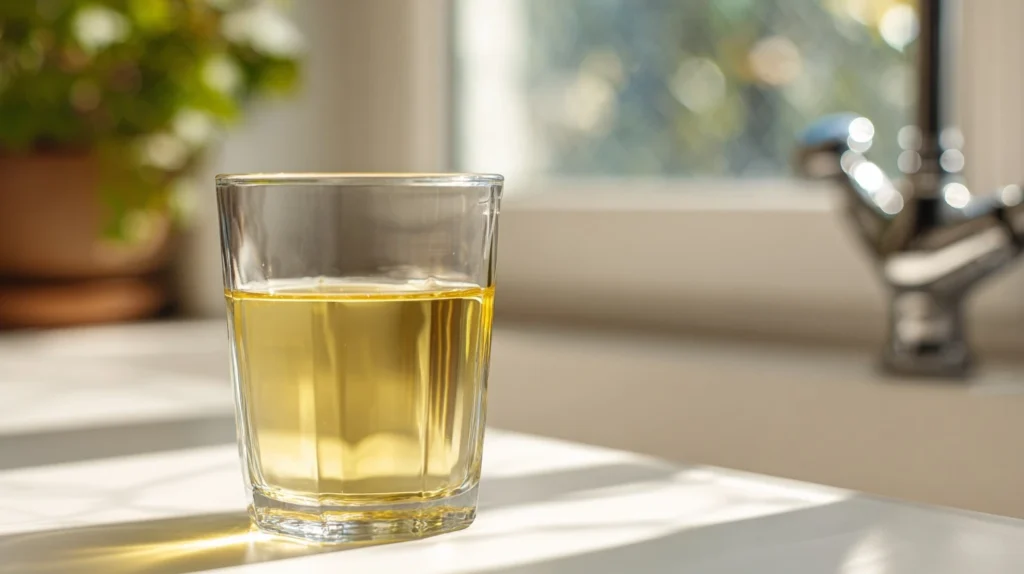
New York City’s water supply is often hailed as the “champagne of tap water.” Sourced from the pristine Catskill, Delaware, and Croton watersheds, it travels through a sophisticated network of aqueducts to reach the taps of Lower Manhattan. However, residents in the Financial District, TriBeCa, and SoHo often notice a frustrating phenomenon: after a particularly heavy rainstorm, the water in their sinks and bathtubs takes on a distinct yellow or pale amber tint.
If you’ve lived downtown long enough, you might have heard various myths—that the rain is “leaking” into the pipes or that the reservoirs are simply “muddy.” The reality is far more complex and is rooted in the intersection of chemistry, aging infrastructure, and the immense hydraulic pressure of a city that never stops. Understanding why rain triggers these is the first step in managing your home’s water quality.
The Myth of the “Leaking Pipe”
The most common misconception is that rainwater is physically entering the drinking water pipes through cracks in the street. While it is true that many of Downtown’s water mains are over a century old, the system is pressurized. Under normal operation, the pressure inside a water main is much higher than the pressure of the groundwater outside of it. This means that if there is a crack, water leaks out of the pipe; it does not let rainwater in.
So, if the rain isn’t getting into the pipes, why does the color change? The answer lies in the massive shifts in demand and the “scouring” effect that occurs within the city’s massive iron veins.
1. Increased Turbidity at the Source
While New York City water is world-class, it is also largely unfiltered. The city relies on natural sedimentation and chlorine treatment rather than a massive filtration plant for the Catskill and Delaware supplies. During a heavy rainfall event upstate, runoff carries fine organic matter, silt, and tannins into the reservoirs.
This is known as turbidity. While the uses alum to help these particles settle and monitors levels 24/7, a massive storm can cause a slight increase in the “color” of the water entering the system. By the time that water reaches the narrow, aging pipes of Lower Manhattan, any existing sediment in the street mains is more likely to be agitated.
2. The Hydraulic “Slam”: Runoff and Pressure Shifts
Heavy rainfall in Manhattan doesn’t just sit on the pavement; it enters the Combined Sewer System. When the sewers reach capacity during a storm, it creates a massive amount of subterranean activity. While the sewer and drinking water systems are separate, the physical vibration and “shifting” of the earth during a heavy deluge can impact the stability of the water mains.
Furthermore, heavy rain often changes how people use water. Commercial cooling towers, large-scale irrigation systems, and even residential usage patterns shift during a storm. These subtle changes in flow velocity can cause “surges” within the unlined cast-iron mains that run beneath streets like Canal and Broad.
When the flow of water suddenly speeds up or changes direction, it “scours” the interior of the pipes. Over decades, these pipes have developed a layer of tuberculation—small mounds of oxidized iron and manganese. The hydraulic shift caused by the storm knocks these microscopic particles loose, turning the water a light yellow or “straw” color. This is a common theme in our , where localized yellowing is often reported block-by-block after a flash flood.
3. The Role of Building Suction Tanks
In the high-rises of the Financial District, your water doesn’t come directly from the street to your faucet. Most tall buildings utilize a basement “suction tank” and a booster pump system.
During a heavy rain, if the city’s main experiences even a minor surge of sediment, your building’s powerful pumps act like a vacuum, pulling that sediment into the building’s internal storage tank. Once the sediment is in your , it can take 24 to 48 hours to settle or flush through the system. This is why you might notice yellow water in a FiDi penthouse even after the rain has stopped and the street-level puddles have dried up.
4. Tannins and Organic Matter
Rainwater is naturally slightly acidic. As it moves through the environment, it can pick up tannins from decaying leaves and organic matter. While this organic matter doesn’t enter the pipes directly, the “seasonal” nature of heavy rain (especially in autumn) coincides with higher levels of these natural dyes in the watershed. When combined with the trace amounts of iron found in old Downtown pipes, these tannins can create a yellow-to-brown hue that is purely aesthetic but highly visible in a white porcelain bathtub.
How to Handle “Rainwater Yellowing”
If you notice your water has changed color following a storm, there are several steps you can take:
- The Cold Water Flush: Always run your cold water first. Running hot water will pull the sediment into your water heater, where it can settle and cause long-term efficiency issues. Run your bathtub for 10-15 minutes until the water is clear.
- Check the Aerators: Small particles of iron or “pipe scale” loosened by the storm can clog the tiny screens on your faucets. If your pressure has dropped along with the color change, unscrew the aerator and rinse it out.
- Monitor Infrastructure: Sometimes, the “rain” is just a coincidence, and a nearby water main has actually suffered a minor break due to the shifting soil. Check our to see if there is active DEP work on your block.
- Consult the FAQ: For a deeper dive into whether yellow water is safe for laundry or dishwashers, visit our page.
Is the Water Safe to Drink?
According to the , iron and manganese—the primary causes of yellow water—are considered “secondary contaminants.” This means they are an aesthetic nuisance rather than a health threat. The water remains chemically safe and is continuously treated with chlorine and UV light by the city to ensure no bacteria are present.
However, for those with sensitive skin or high-end appliances, the “yellow surge” can be an expensive problem. Fine sediment can wear down the seals in a dishwasher or stain white linens in the wash.
Conclusion: Living with a Living System
New York City’s water system is a living, breathing entity. It reacts to the weather, the seasons, and the constant movement of the city above it. The yellow water we see after a storm is a reminder of the age and complexity of the iron world beneath Lower Manhattan.
By staying informed and understanding the mechanical reasons for these changes, you can protect your home and your peace of mind. For more insights into the quirks of our local grid, feel free to browse our full archive.
If you are experiencing persistent yellow water that does not clear up after a 15-minute flush, we want to hear about it. Your reports help us map the stability of the Downtown grid. Reach out to us via our page to share your experience.