The George Washington Bridge serves as a massive steel umbilical cord between two of the most vertical landscapes in the region: Fort Lee, New Jersey, and the island of Manhattan. While both skylines are defined by soaring residential towers, the “guts” of these buildings—the mechanical systems that push water from the street to the penthouse—operate on fundamentally different principles.
If you have ever moved from a modern glass tower in Fort Lee to a converted office-to-residential high-rise in the Financial District (FiDi), you may have noticed a shift in your water’s “behavior.” From the sound of the pipes to the consistency of the pressure, the differences are rooted in the geological and historical divide between the New Jersey Palisades and the Manhattan bedrock. Understanding these downtown water conditions is essential for residents who want to troubleshoot their own building plumbing.
The Vertical Challenge: Gravity vs. Boosters
Both Fort Lee and Downtown Manhattan face the same physical law: water is heavy, and gravity doesn’t want it to go up. To reach a 40th-floor apartment, water must be pressurized significantly. However, the method of pressurization differs based on when and where the building was constructed.
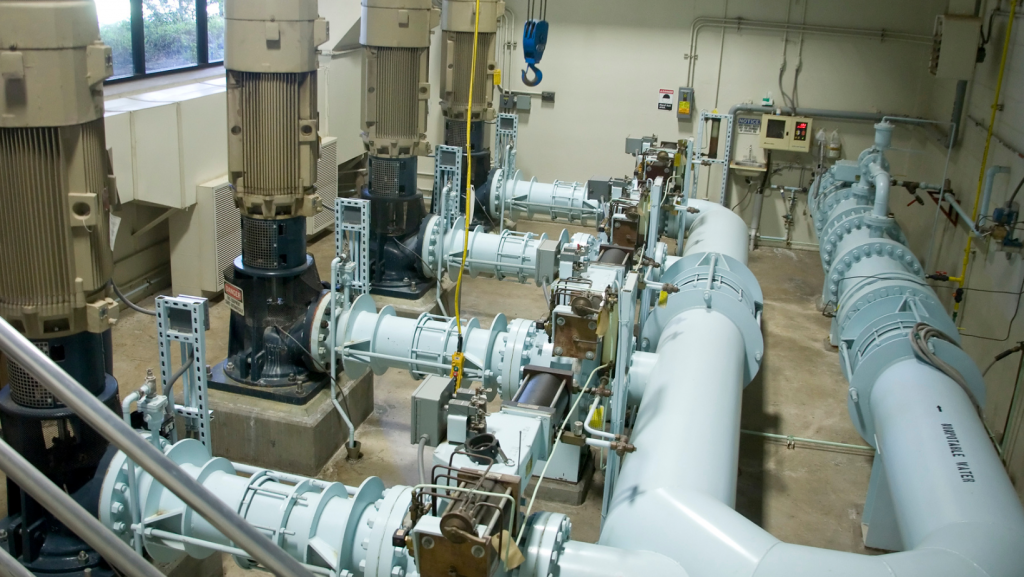
Fort Lee: The Modern VFD Standard Most of Fort Lee’s high-rise inventory was built in the latter half of the 20th century or the early 21st century. These buildings typically utilize “Variable Frequency Drive” (VFD) booster pumps. These are smart pumps that sense demand in real-time. If only one person is showering, the pump runs at a low speed. If a hundred people shower simultaneously, the VFD ramps up to maintain a constant pressure.
Downtown Manhattan: The Legacy of the Gravity Tank In contrast, the Financial District and TriBeCa are defined by the “House Tank” or “Gravity Tank” system. Because many Manhattan towers were built before modern VFD technology—or are retrofitted office buildings—they rely on the iconic rooftop wooden or steel tanks.
Water is pumped at a constant rate from the basement to the roof and stored in these tanks. Gravity then provides the pressure for the floors below. For a resident, this means FiDi pressure is often more stable but slightly lower than the “blast” of a Fort Lee VFD system.
Sediment Traps: Suction Tanks vs. Direct Feed
One of the most common complaints in our neighborhood reports involves “tea-colored” water or gritty sediment. The reason for this often comes down to how the building “takes” water from the street.
In Fort Lee, many buildings pull water directly from the New Jersey American Water mains. While they have internal filters, the water is moving quickly and consistently through modern ductile iron pipes.
In Downtown Manhattan, the city’s street pressure is often volatile due to frequent infrastructure alerts and old cast-iron mains. To protect the building’s pumps from this volatility, Manhattan high-rises use a “suction tank”—a large reservoir in the basement that acts as a buffer.
While suction tanks are great for maintaining pressure, they are notorious sediment traps. The fine iron silt common in Manhattan settles at the bottom of these tanks. If a nearby subway construction project or a water main break causes a surge in the street, that silt is stirred up and pulled directly into the building’s risers. This is why a FiDi resident might see brown water for hours after a repair, while a Fort Lee resident might only see it for a few minutes.
The “Palisades” Pressure Factor
Geology plays a silent role in your plumbing. Fort Lee sits atop the Palisades, a steep cliff of diabase rock. The elevation of the street itself provides a natural boost to the water pressure.
Downtown Manhattan is at sea level—and in many places like Battery Park City, it is built on landfill. The water mains here are under immense pressure just to overcome the dense urban environment and the weight of the buildings above. This high-pressure environment in the street means that Manhattan building plumbing has to work harder to “regulate” the water coming in. If a building’s Pressure Reducing Valve (PRV) fails in FiDi, the result can be catastrophic pipe bursts; in Fort Lee, the “street-to-home” pressure differential is often less extreme.
Maintenance Rituals: New Jersey vs. New York
The maintenance requirements for these systems create different “nuisance” windows for residents:
- Manhattan Tank Cleanings: Per NYC Department of Health regulations, rooftop tanks must be cleaned and inspected annually. During these cleanings, residents may experience air in the lines or “milky” water, a topic we cover in our blog.
- Fort Lee Pump Service: In NJ towers, the VFD pumps require periodic mechanical calibration. If a pump is “hunting” for the right speed, residents might notice their shower temperature or pressure fluctuating rhythmically—a phenomenon less common in Manhattan’s gravity-fed systems.
Is One System “Better”?
From a water quality standpoint, both systems are designed to meet EPA standards. However, the “experience” of the water differs.
Fort Lee residents often enjoy higher, more “adjustable” pressure but are more vulnerable to the specific mineral profile of New Jersey’s groundwater. Manhattan residents benefit from the famously soft Catskill/Delaware water but must deal with the “grittiness” that comes from pulling water through century-old iron infrastructure into basement storage tanks.
What Residents Should Do
Whether you are looking out at the Hudson from the New Jersey or New York side, the best defense against plumbing issues is a proactive approach:
- Monitor the “First Flush”: In both types of buildings, water that sits in the “riser” pipes overnight can absorb metals. Always run your kitchen tap for 30 seconds in the morning to get fresh water from the building’s main line.
- Check Your Aerators: The high-pressure pumps in Fort Lee and the “scouring” of old pipes in Manhattan both lead to clogged faucet screens. If your pressure drops in just one room, consult our FAQ for instructions on cleaning your aerators.
- Know Your Building’s Age: If you live in a newly renovated FiDi office conversion, your plumbing may be a “hybrid” of old risers and new branch lines, which can lead to unique pressure imbalances not found in the purpose-built residential towers of Fort Lee.
Conclusion: A Tale of Two Skylines
The plumbing systems of Fort Lee and Downtown Manhattan are a reflection of their respective histories. Fort Lee represents the modern, purpose-built residential boom, while Downtown Manhattan is a story of adaptation—repurposing industrial-age infrastructure for modern luxury living.
If you have moved across the bridge and noticed a persistent difference in your water’s clarity or taste, it isn’t your imagination. It is the result of millions of dollars of mechanical engineering working behind your walls. If you have a specific question about your building’s system, or if you’ve noticed a strange trend on your block, reach out via our contact page. We track these cross-river anomalies to help residents on both sides of the Hudson stay informed.