The Financial District (FiDi) is defined by its verticality. From the neo-Gothic spires of 70 Pine to the glass-and-steel monoliths of the new World Trade Center complex, living in FiDi means living high above the street. But while the views are breathtaking, getting a consistent glass of water to the 50th floor is a massive engineering challenge.
In a standard five-story walk-up in the East Village, the city’s municipal water pressure is usually enough to push water to the top floor. In a FiDi high-rise, however, gravity is a constant adversary. To overcome the weight of a vertical column of water, every modern skyscraper in Lower Manhattan relies on a mechanical “heart”: the booster pump. While these machines are essential for daily life, they play a surprisingly large role in the downtown water conditions residents experience, influencing everything from the strength of your shower to the metallic taste of your morning coffee.
The Mechanics of High-Rise Flow
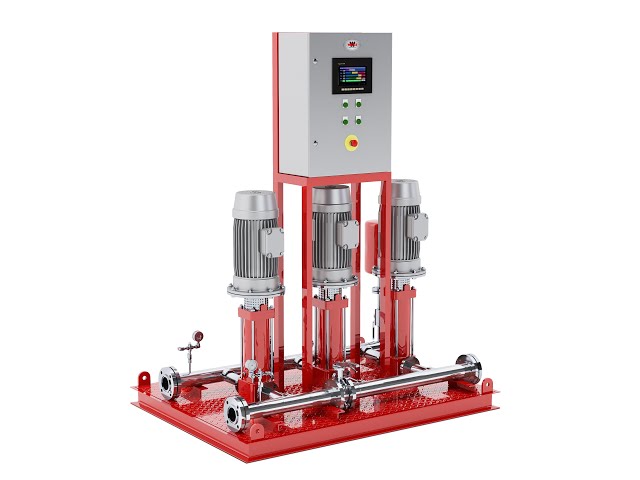
A booster pump does exactly what its name suggests—it takes the incoming water from the New York City mains and “boosts” the pressure so it can travel hundreds of feet upward. Without these pumps, residents on the upper floors would have zero water pressure, while those on the lower floors would experience a dangerous, pipe-bursting surge.
Modern FiDi buildings typically use Variable Frequency Drive (VFD) pumps. These “smart” pumps sense the demand in the building in real-time. If ten people on the 30th floor turn on their faucets simultaneously, the VFD ramps up to maintain steady flow. When the demand drops at 3:00 AM, the pumps slow down. However, when these pumps are poorly calibrated or nearing the end of their lifespan, they can cause “surges” or “drops” in flow that residents often mistake for city-wide infrastructure alerts.
How Pumps Affect the Taste of Your Water
It might seem strange that a mechanical pump could change the flavor of your water, but in the dense building plumbing of Lower Manhattan, the physics of pressure and velocity have a direct chemical impact.
1. Aeration and the “Milky” Appearance High-velocity booster pumps can introduce air into the water line. When water is moved at high pressure, tiny air bubbles can become trapped in the stream. This often results in water that looks “milky” or “cloudy” immediately after being poured. While this is purely aesthetic and the water clears within seconds, it can give the water a “sharper” or more “oxygenated” mouthfeel that some residents find unappealing. You can find more on this in our FAQ section.
2. Scouring of Internal Pipes If a booster pump is operating at too high a frequency, it creates a “scouring” effect inside the building’s risers. Many FiDi buildings have a mix of copper, brass, and older galvanized steel pipes. High-velocity water can physically strip microscopic bits of metal and mineral scale from the interior of these pipes. This is often the source of the “metallic” or “copper” taste reported in certain neighborhood reports across the district.
3. Temperature Fluctuations Booster pumps generate heat. In some older FiDi mechanical rooms, the water intake lines sit in close proximity to high-output pumps and steam pipes. If the water sits stagnant in the building’s suction tank for too long during low-usage periods, it can warm up. Warmer water is more likely to “gas off” the chlorine used by the city for disinfection, which can alter the scent and taste profile of the water compared to the crisp, cold flow found in smaller buildings.
The Interaction with City Mains
The booster pump doesn’t work in a vacuum; it is the “bridge” between the city’s infrastructure and your apartment. This relationship is particularly sensitive in the Financial District because of the neighborhood’s age.
When the city performs a “hydrant flush” or a “valve exercise” nearby, the pressure in the street mains drops momentarily. A powerful building booster pump can sense this drop and “pull” harder on the city line to compensate. If the city is currently flushing sediment (as often happens during weekend work), the building’s pump can act like a giant straw, sucking in a concentrated plume of “brown water” and distributing it through the building’s entire vertical stack. This is a primary reason why FiDi high-rises often see discoloration faster than smaller neighboring lofts.
Maintenance: The Resident’s Responsibility
For a FiDi resident, the booster pump is a shared utility managed by the building’s HOA or management company. However, the performance of that pump is directly tied to the health of your individual fixtures.
- Pressure Reducing Valves (PRVs): Because the booster pump creates high pressure to reach the penthouse, lower floors need PRVs to “throttle” that pressure back down. If your PRV fails, you may experience “water hammer” (loud banging in the walls) or a sudden spike in pressure that can damage your appliances.
- Filter Saturation: If your building’s pumps are pulling in sediment from the street, your home filtration system will reach its capacity much faster. Monitoring our blog for local main work can help you know when to bypass your filters to save them from a sediment surge.
The Future of Vertical Water
As FiDi continues to grow with the conversion of older office towers into residential lofts, the strain on building-side pumps is increasing. Newer “multistage” pump systems are being installed that are quieter and more energy-efficient, offering a more stable flow that minimizes pipe scouring and the associated metallic taste.
However, for those living in the district’s classic Art Deco skyscrapers, the booster pump remains a piece of vital machinery that requires constant vigilance. If you notice a sudden change in the “strength” of your water or a new, bitter aftertaste, it is often a sign that the building’s pumps are struggling with localized pressure changes.
Conclusion
In the Financial District, the water at your tap is a product of two worlds: the city’s century-old iron mains and your building’s high-tech mechanical heart. The booster pump is the invisible force that makes high-rise living possible, but it is also a key factor in the sensory quality of your water.
By staying informed about downtown water conditions and understanding the quirks of your building’s plumbing, you can better navigate the unique challenges of Lower Manhattan living. If you have experienced a persistent loss of pressure or a sudden shift in water taste that your building manager can’t explain, we want to hear about it. Use our contact page to report your findings—your data helps us build a more accurate map of FiDi’s subterranean health.