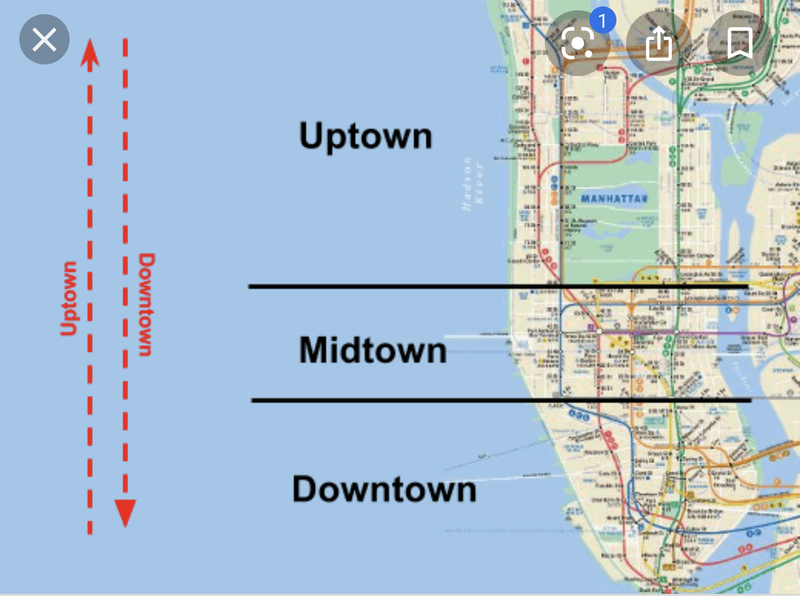
New York City is often treated as a monolith when it comes to utilities. We assume that because the water originates from the same pristine upstate reservoirs, it arrives at every tap in the five boroughs with the same characteristics. However, for those who have moved from a pre-war walk-up on the Upper West Side to a converted loft in the Financial District, the difference is immediate. The water “behaves” differently south of Canal Street.
The reason isn’t the water itself—it’s the “final mile.” The subterranean architecture of Lower Manhattan is a unique archaeological record of New York’s birth. The pipes beneath our feet are fundamentally different in age, material, and configuration than those found in Midtown or Uptown. Understanding these differences is essential for navigating the specific downtown water conditions that define life in the city’s oldest neighborhoods.
The Age Gap: 19th-Century Iron vs. 20th-Century Steel
The primary differentiator is age. Uptown Manhattan (north of 59th Street) saw its greatest infrastructure boom in the early to mid-20th century. While still old, these pipes were installed using “modern” municipal standards of the time.
Downtown, however, is a patchwork of the 1800s. In parts of the Seaport and the Financial District, some water mains have been in continuous service since the end of the Civil War. These are primarily unlined cast-iron pipes. Unlike the cement-lined pipes found in newer parts of the city, these raw iron surfaces react constantly with the water. Over a century, they develop “tuberculation”—jagged mounds of oxidized iron that create a rough, cavernous interior.
This leads to a higher frequency of sediment surges. When the city performs a routine repair or an infrastructure alert occurs nearby, these ancient pipes shed their internal “skin” much more easily than the smoother, younger pipes Uptown.
The “Dead End” Problem of the Tip
Manhattan’s water grid is designed as a series of loops to keep water moving. Constant motion is the best defense against bacterial growth and sediment buildup.
In Midtown, the grid is a dense, interconnected mesh. If a pipe is shut down on 42nd Street, the water can easily “loop” around the block from several different directions. This keeps the pressure stable and the water fresh.
Lower Manhattan, particularly the area south of Wall Street, is a geographic “dead end.” As the island narrows to a point, the grid becomes less of a mesh and more of a series of terminal lines. Water at the very tip of the island—like in Battery Park City—often sits in the pipes longer than it does in the bustling corridors of Midtown. This stagnation can lead to localized “earthy” tastes or a slight increase in temperature during the summer months. Our neighborhood reports frequently highlight these terminal-point issues that Uptown residents simply don’t face.
Subterranean Density and “Utility Crowding”
If you were to peel back the asphalt in the Upper East Side, you would see a relatively orderly arrangement of pipes. But Downtown is a “subterranean junk drawer.”
Because Lower Manhattan was built before modern city planning, the water pipes have to fight for space with:
- Pneumatic mail tubes from the 1890s.
- Steam lines that have been leaking heat into the soil for a century.
- Con Edison electrical vaults that are packed into narrow colonial-era streets.
This crowding has a direct impact on your building plumbing. In Midtown, water usually stays cool because it is surrounded by earth. Downtown, the proximity to massive steam mains can actually pre-heat the “cold” water before it reaches your building. This thermal interference is a hallmark of the Downtown grid and can influence the effectiveness of home filtration systems.
Vibration and Soil Composition
Uptown and Midtown are famously built on “Manhattan Schist”—the solid bedrock that allows for massive skyscrapers. This rock provides a stable, vibration-dampening foundation for water pipes.
Much of Downtown, especially the areas west of Hudson Street and south of Canal, is built on “made land” or landfill. This soil is softer, wetter, and prone to shifting. When a heavy subway train rumbles through the Financial District or a truck hits a pothole in SoHo, the vibrations travel through the soft soil and directly into the brittle, old iron pipes. This constant “shaking” is why Downtown pipes are more prone to the small “pinhole” leaks and sudden turbidity events that we track on our blog.
Pressure Dynamics: High-Rise FiDi vs. Low-Rise Uptown
Uptown has a high concentration of 6-story “New Law” tenements that rely on simple gravity or street pressure. Midtown is a mix of commercial towers with massive internal systems.
Downtown is an extreme split. You have the ultra-tall residential towers of the Financial District, which use high-powered booster pumps that can actually “pull” sediment from the street mains. Right next door, you might have a 3-story historic townhouse that is struggling with low pressure because the neighboring skyscraper is hogging the flow. This “pressure disparity” is much more pronounced Downtown than in the more uniform residential blocks of the Upper West Side.
Safety and Regulation
Regardless of whether the pipe is from 1870 or 1970, the New York City DEP and the EPA enforce the same strict safety standards. The water is tested thousands of times a day at various “sampling stations.”
However, the regulations focus on the water quality at the sampling station, not necessarily at your specific kitchen tap. Because of the “Downtown Factors” mentioned above—age, heat, and stagnation—the water that leaves a city sampling station can change significantly by the time it travels through a century-old street main and into your building’s tank. For a better understanding of what is “normal” for our area, visit our FAQ.
Conclusion: Why Local Knowledge Matters
You can’t treat a plumbing issue in the Seaport the same way you would in Yorkville. The pipes are different, the soil is different, and the history is different.
Being a resident of Lower Manhattan means being a steward of a historic system. By understanding the unique challenges of the Downtown grid, you can better protect your appliances, choose the right filtration, and advocate for infrastructure improvements.
If you have noticed a persistent issue—like water that is always warm in the summer or a recurring “clink” in your pipes—we want to document it. Sharing your experience through our contact page helps us build a case for the specific needs of our neighborhood. The more we know about how Downtown differs from the rest of the city, the better we can all manage our homes.