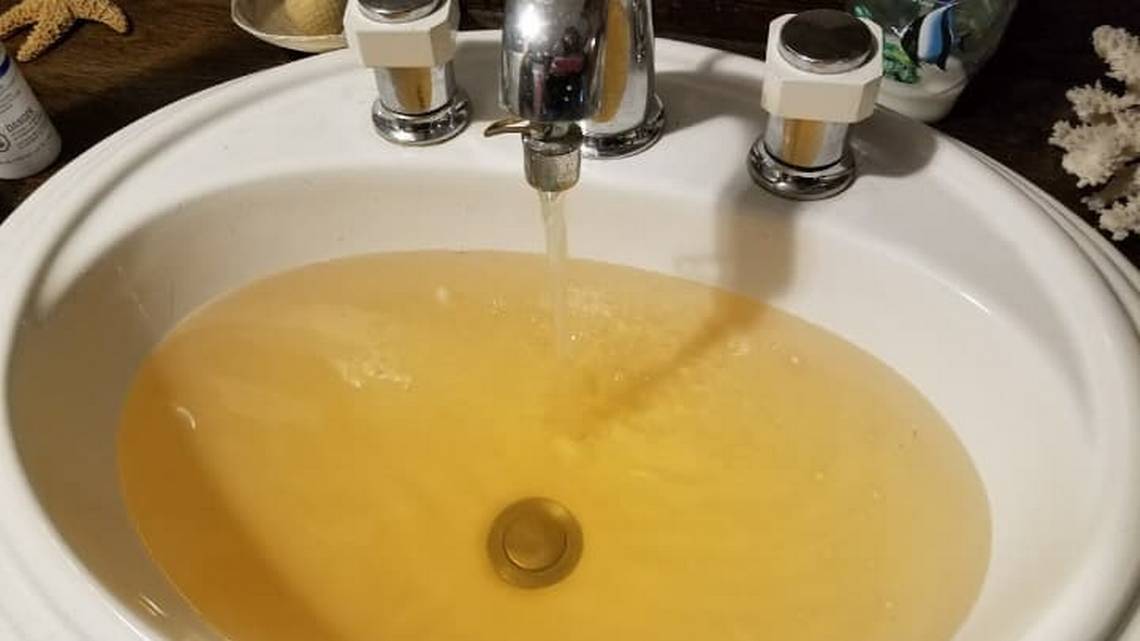
For residents of Tribeca, the weekend is usually a time of relative quiet—a chance to enjoy the cobblestone streets and world-class dining without the frantic pace of the Monday-through-Friday financial district rush. However, many locals have recently returned to their lofts and luxury apartments on Sunday evenings only to find a jarring sight: discolored, tea-colored, or even dark brown water flowing from their kitchen faucets and showerheads.
If you’ve experienced this, you aren’t alone. This phenomenon is a recurring headache in Lower Manhattan. While seeing “muddy” water can be alarming, understanding the mechanics of the city’s aging infrastructure and the specific nature of weekend construction can help demystify the situation.
The Weekend Connection: Why Now?
It isn’t a coincidence that water quality issues often peak following a weekend. New York City’s Department of Environmental Protection (DEP) and private developers frequently schedule heavy-duty infrastructure work for Saturdays and Sundays. This is done to minimize the impact on the weekday workforce and to manage the logistical nightmare of closing narrow Tribeca streets during peak traffic hours.
When you see “No Parking” signs and heavy machinery near Harrison or Hudson Streets on a Saturday, there is a high probability that the water mains are being tinkered with. But why does digging in the street lead to brown water in your fifth-floor bathroom?
1. The Disturbance of Sediment
The primary culprit behind brown water is not usually “dirt” from the construction site entering the pipes, but rather the internal state of the pipes themselves. Much of New York City’s water infrastructure dates back over a century. Over decades, naturally occurring minerals like iron and manganese settle at the bottom of these massive iron pipes.
Under normal conditions, water flows at a steady, predictable pressure, leaving this sediment undisturbed. However, when construction crews shut off a valve or redirect water flow to repair a section of the grid, it creates a “scouring” effect. When the water is turned back on, the sudden rush of high-pressure water acts like a pressure washer inside the mains, kicking up years of accumulated mineral sediment. This is what you see coming out of your tap. You can stay updated on these specific events by checking the Infrastructure Alerts page regularly.
2. Pressure Fluctuations and Air Pockets
Weekend work often involves “branching” or “tapping” into existing lines. When a section of the pipe is depressurized, air can enter the system. When the system is re-pressurized, these air pockets move through the lines with significant force. This turbulence further agitates the rust and sediment inside the pipes, ensuring that the discoloration persists even after the main repair is complete.
The “Local” Factor: Tribeca’s Unique Grid
Tribeca isn’t just any neighborhood; it is one of the oldest developed areas in the city. The transition from industrial warehouses to high-end residential real estate has put an immense strain on the Downtown water conditions.
The neighborhood’s plumbing is a complex web of old-world cast iron and modern copper retrofitting. When the DEP performs work nearby, the vibration from heavy drilling and the shifting of the earth can also cause localized disturbances in the service lines that connect the city’s water main to your specific building. If you are curious about how your specific block is faring, our Neighborhood Reports offer a more granular look at these localized trends.
Is It Safe?
The most common question residents ask is: “Can I drink this?”
According to the NYC Department of Environmental Protection, while brown water is unappealing and may have a metallic taste, it is generally not a health threat. The discoloration is primarily composed of iron and manganese—minerals that are already present in small amounts in most drinking water.
However, “safe to drink” and “desirable to use” are two different things.
- Laundry: Do not run your washing machine if you notice brown water. The iron particles can permanently stain whites and light-colored fabrics.
- Filters: If you use a Point of Entry (POE) filtration system or a Brita filter, brown water can quickly clog your cartridges, leading to a loss of water pressure and unnecessary replacement costs.
- Plumbing: Over time, this sediment can settle in your building’s internal tanks. To understand how this affects your specific property, it is worth looking into Building Plumbing maintenance schedules.
What to Do When the Water Turns Brown
If you turn on your tap after a weekend of construction and see “Tribeca Tea,” follow these steps to clear your system efficiently:
- Run the Cold Water: Go to the lowest point in your home (usually a bathtub or a large utility sink) and run the cold water for 10–15 minutes.
- Avoid the Hot Tap: Do not run the hot water initially. If you pull discolored water into your water heater, the sediment will settle at the bottom of the tank, which can reduce the heater’s lifespan and lead to long-term clarity issues.
- Check the Aerators: If the water clears but your pressure seems low, unscrew the aerators (the little mesh screens) from your faucets. They likely caught some of the larger sediment particles during the surge.
- Report It: The city relies on resident feedback to track the scope of water issues. You can also reach out to us via our Contact page if you believe a specific construction project has caused a prolonged issue in your building.
The Long-Term Outlook for Lower Manhattan
The unfortunate reality is that as Tribeca continues to evolve, construction will remain a constant. The city is currently in the midst of a multi-year initiative to replace aging water mains and upgrade the sewage system to handle the increased density of Lower Manhattan.
While these upgrades are necessary to prevent catastrophic water main breaks, the “growing pains” involve these temporary bouts of discolored water. Organizations like the Environmental Protection Agency (EPA) provide guidelines on municipal water standards, but the day-to-day management falls on local infrastructure.
Conclusion
Finding brown water in your home after a quiet weekend can be frustrating, especially in a neighborhood where we expect the highest standards of living. Usually, the cause is as simple as “disturbed dust” within the city’s massive iron veins.
By staying informed through our FAQ and keeping an eye on local construction schedules, you can better prepare for these occurrences. Most of the time, a few minutes of flushing the pipes is all it takes to get back to the clean, crisp water Tribeca is used to.